top of page
A Gallery of 19th Century Native American Art and Portraits

01
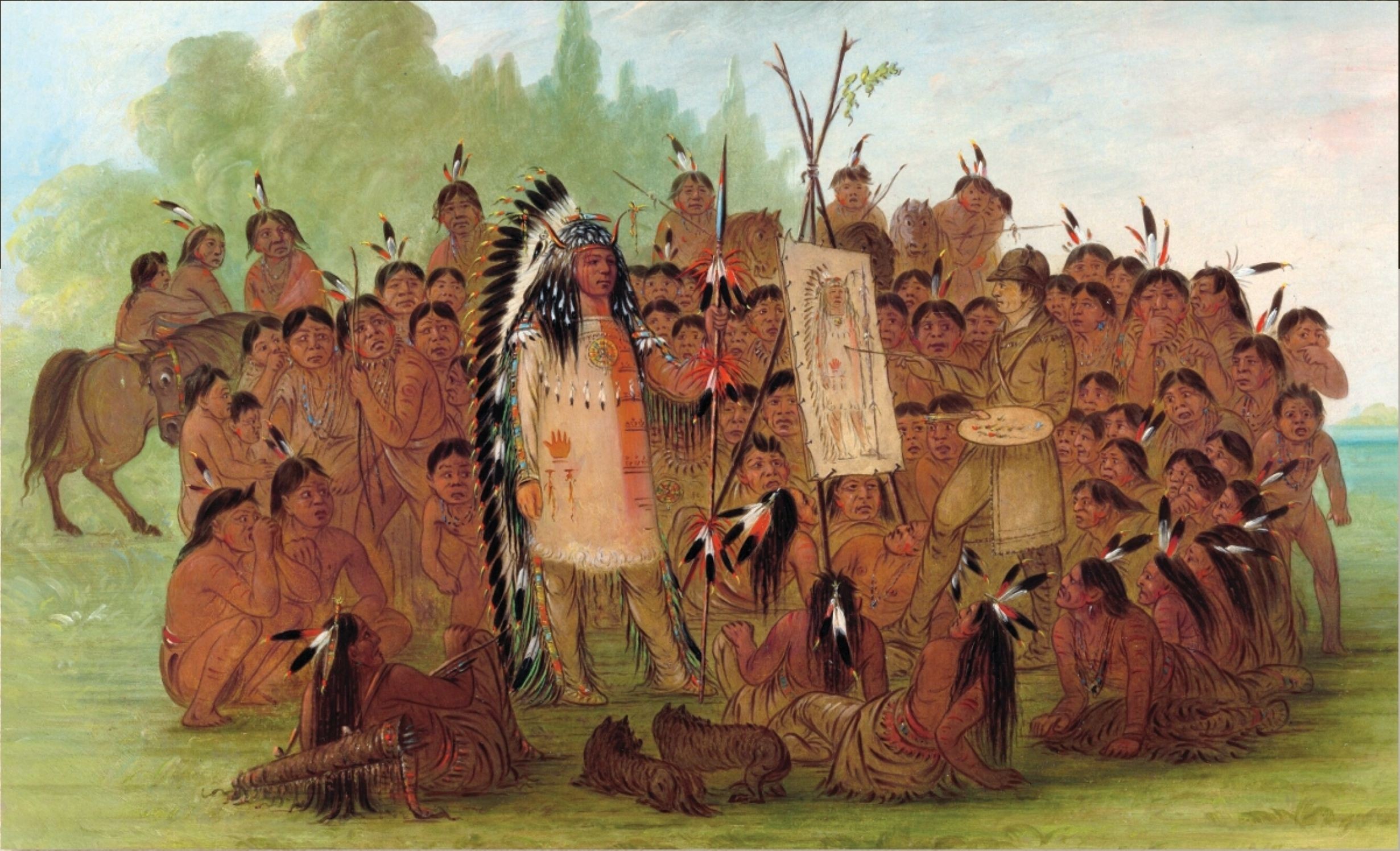
Art from the back cover of the book.
George Catlin's Portrait of Mah-to-toh-pa, a Mandan chief. Attributed to George Catlin. Credit: National Gallery of Art, Washington, D.C.

02
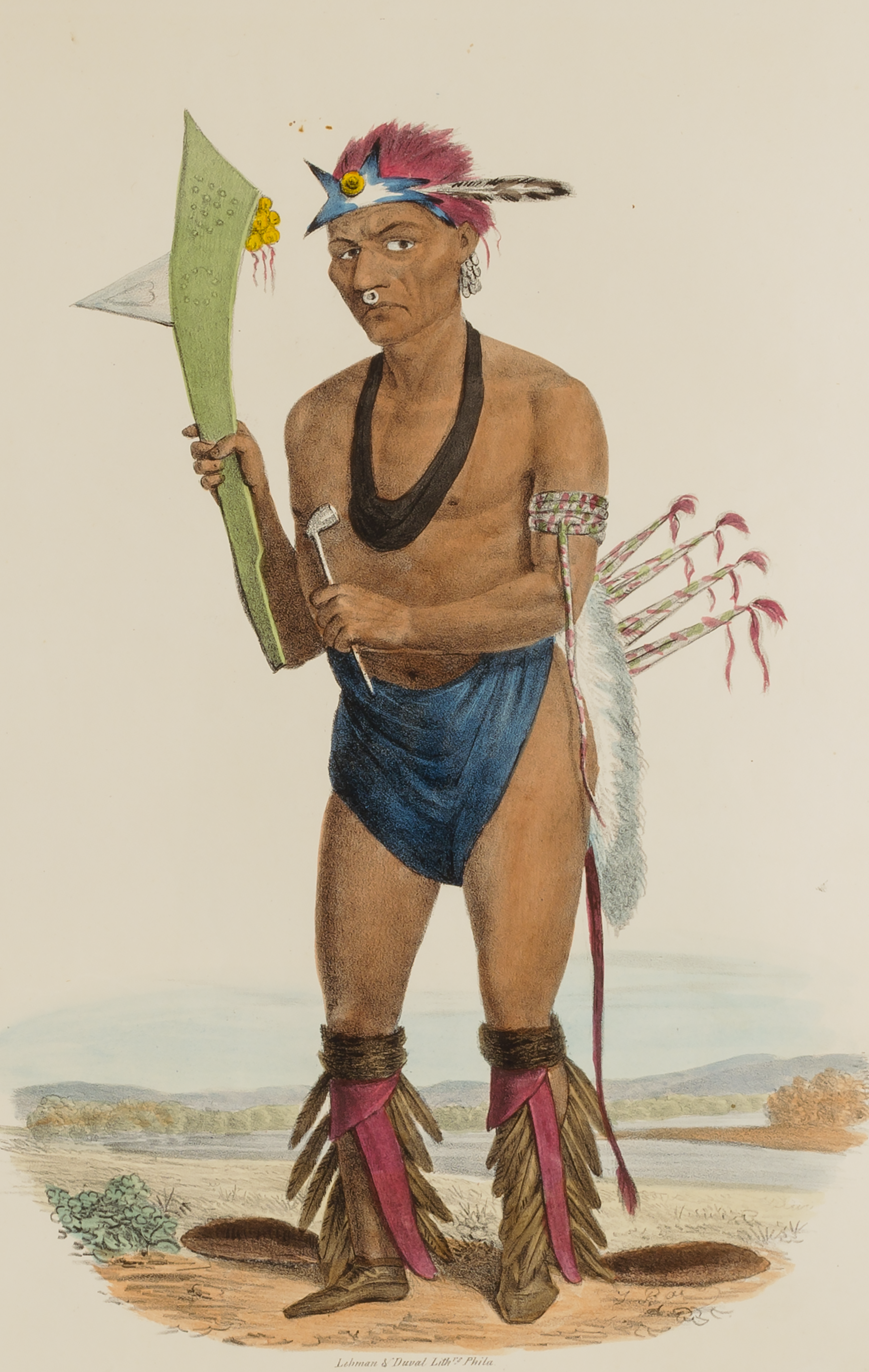
Cut-Taa-Tas-Tia; A Fox Chief.
Painted at the 1825 Treaty of Prarie du Chien (sic) by James Otto Lewis. Credit: Smithsonian American Art Museum.
%2C%20Oto%20Half%20Chief_.png)
03
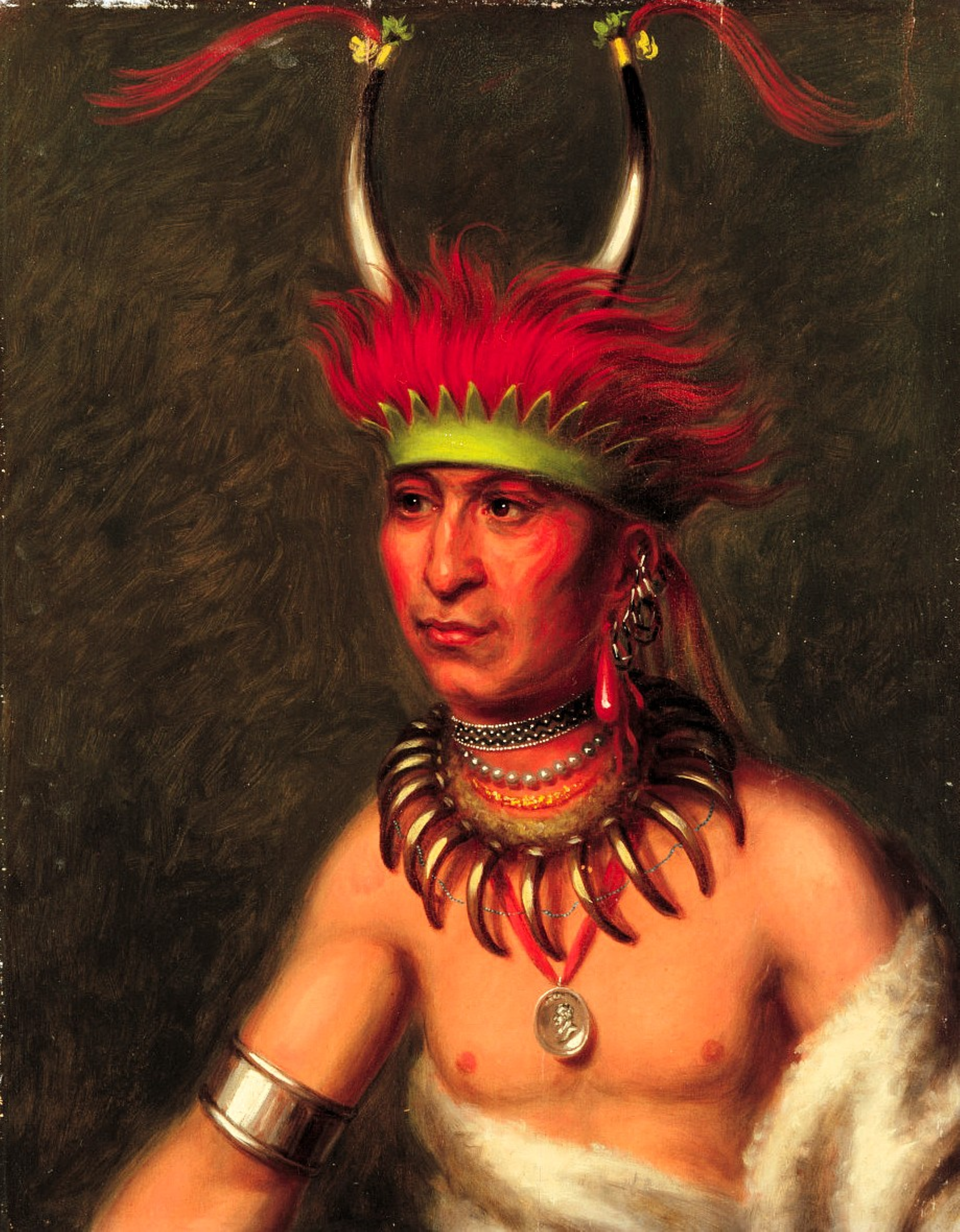
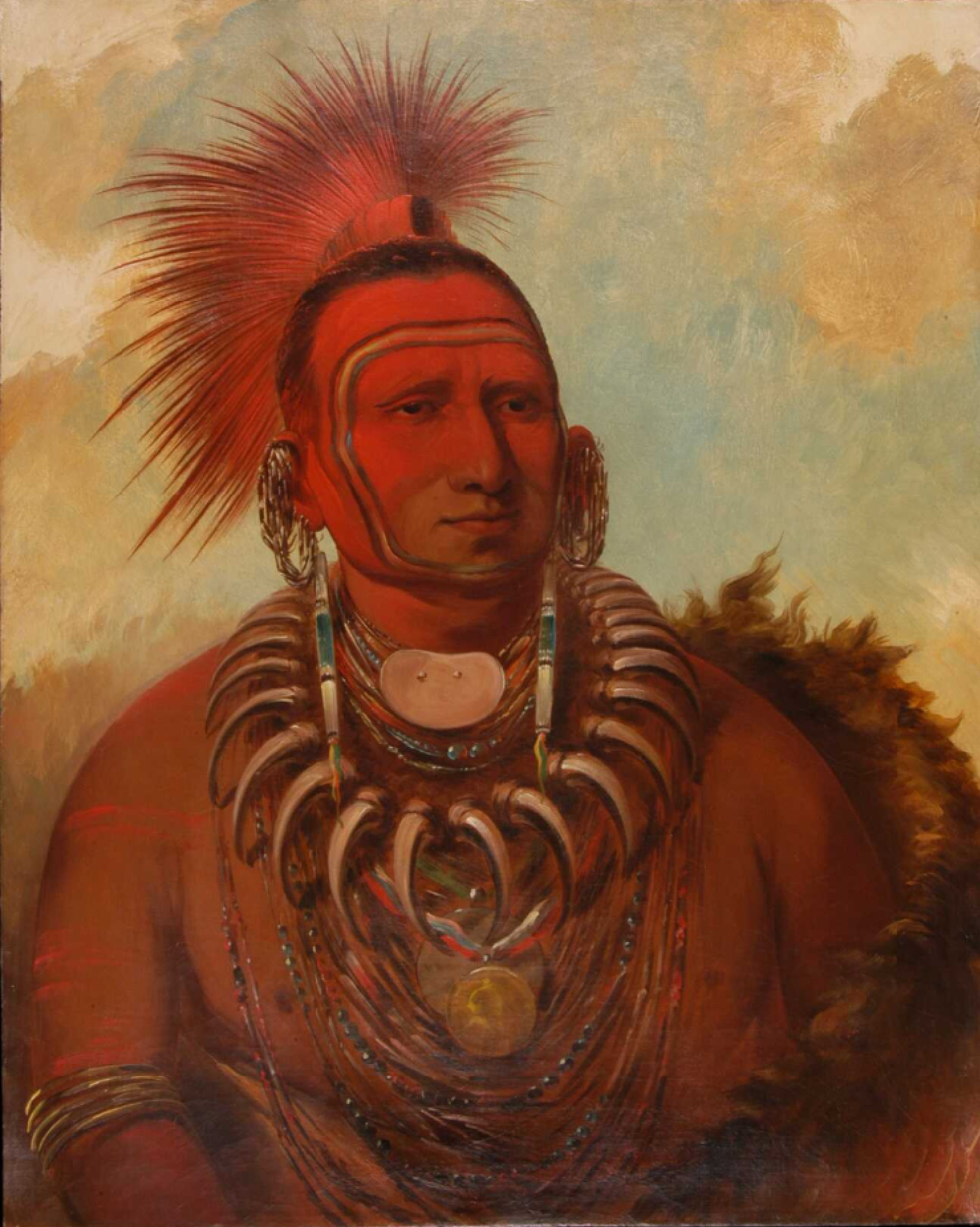
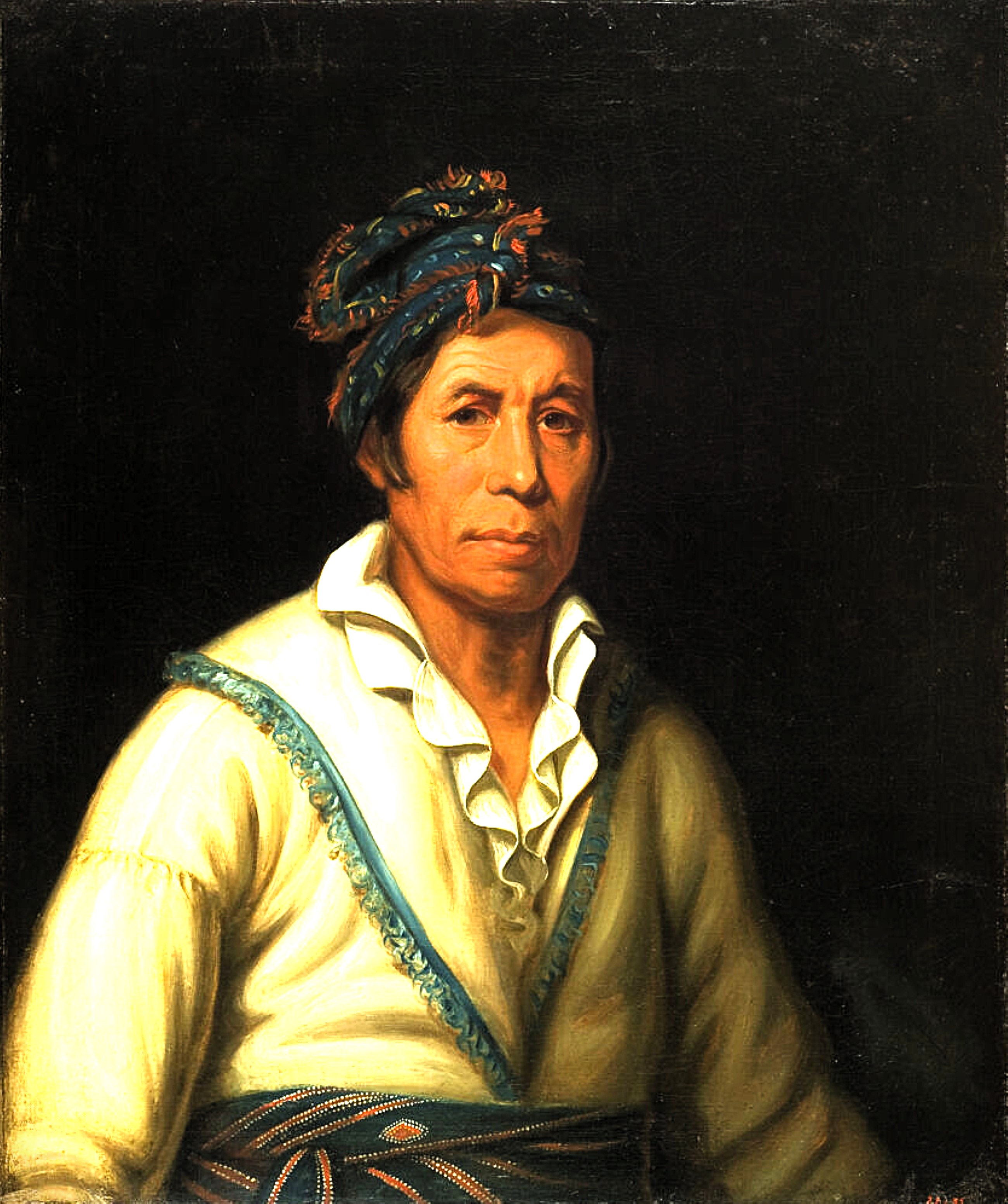
Shaumonekusse (Prairie Wolf), Oto Half Chief.
Adorned with wampum, peace medal, grizzly claws, jewelry & headdress. Painted (ca. 1822) by C.B. King. Credit: Crystal Bridges Museum of American Art, Bentonville, AR.
_.png)
04
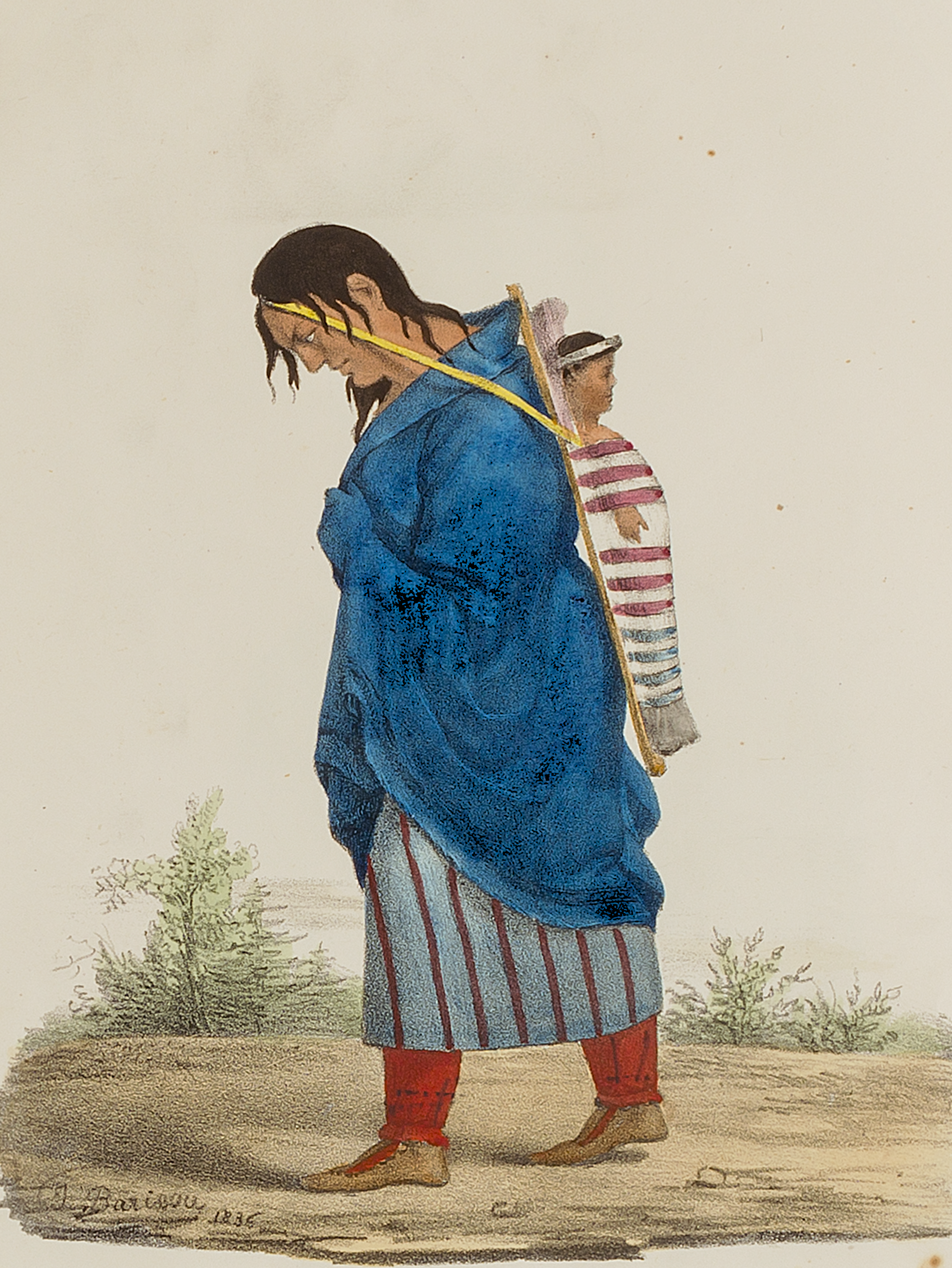
A Chippeway Woman and Child. Painted in the Northwest or Michigan Territory at the 1826 Treaty of Fond du Lac by James Otto Lewis (1799-1858).
Credit: Smithsonian American Art Museum
05
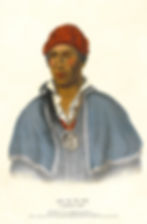
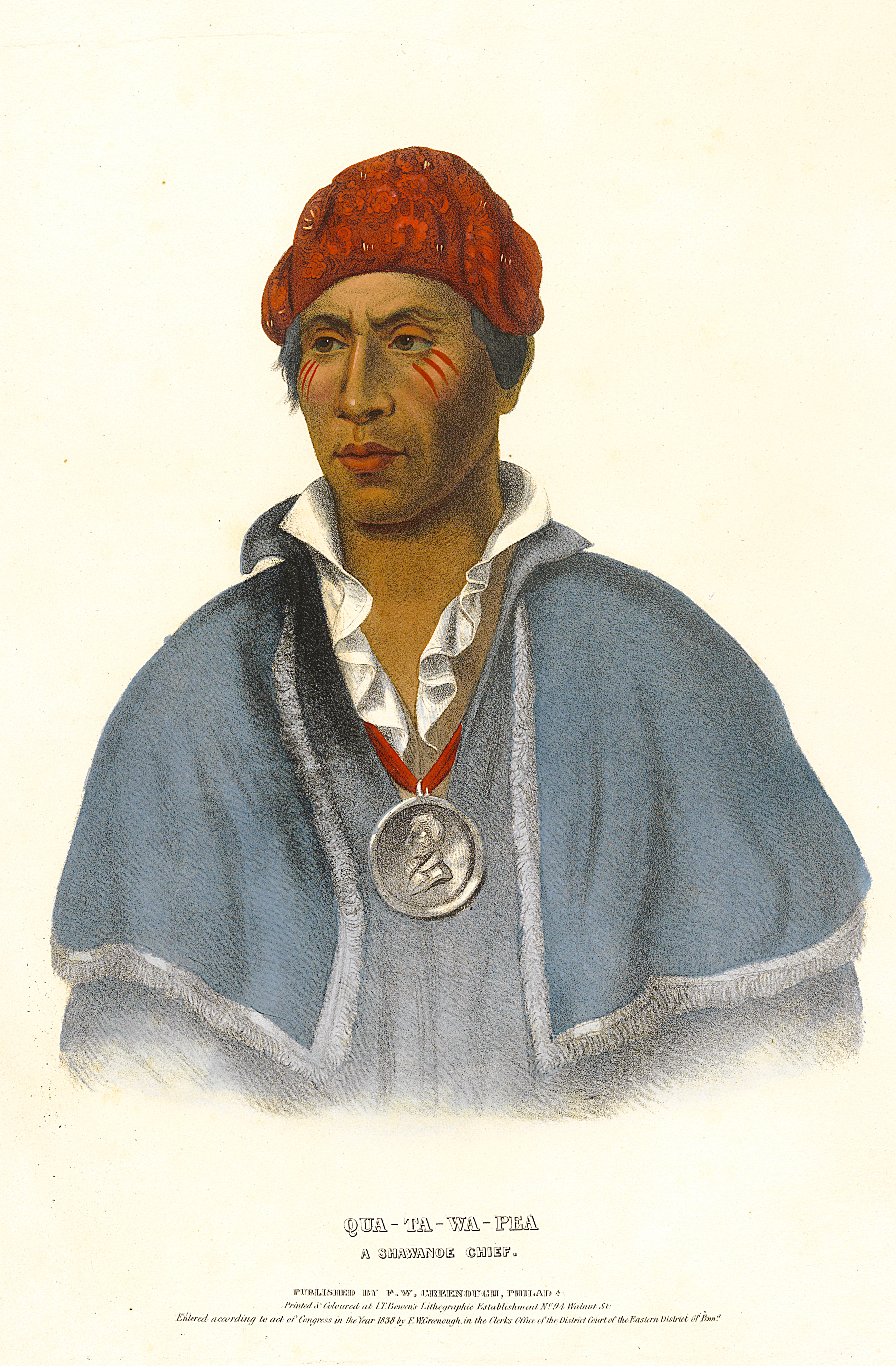
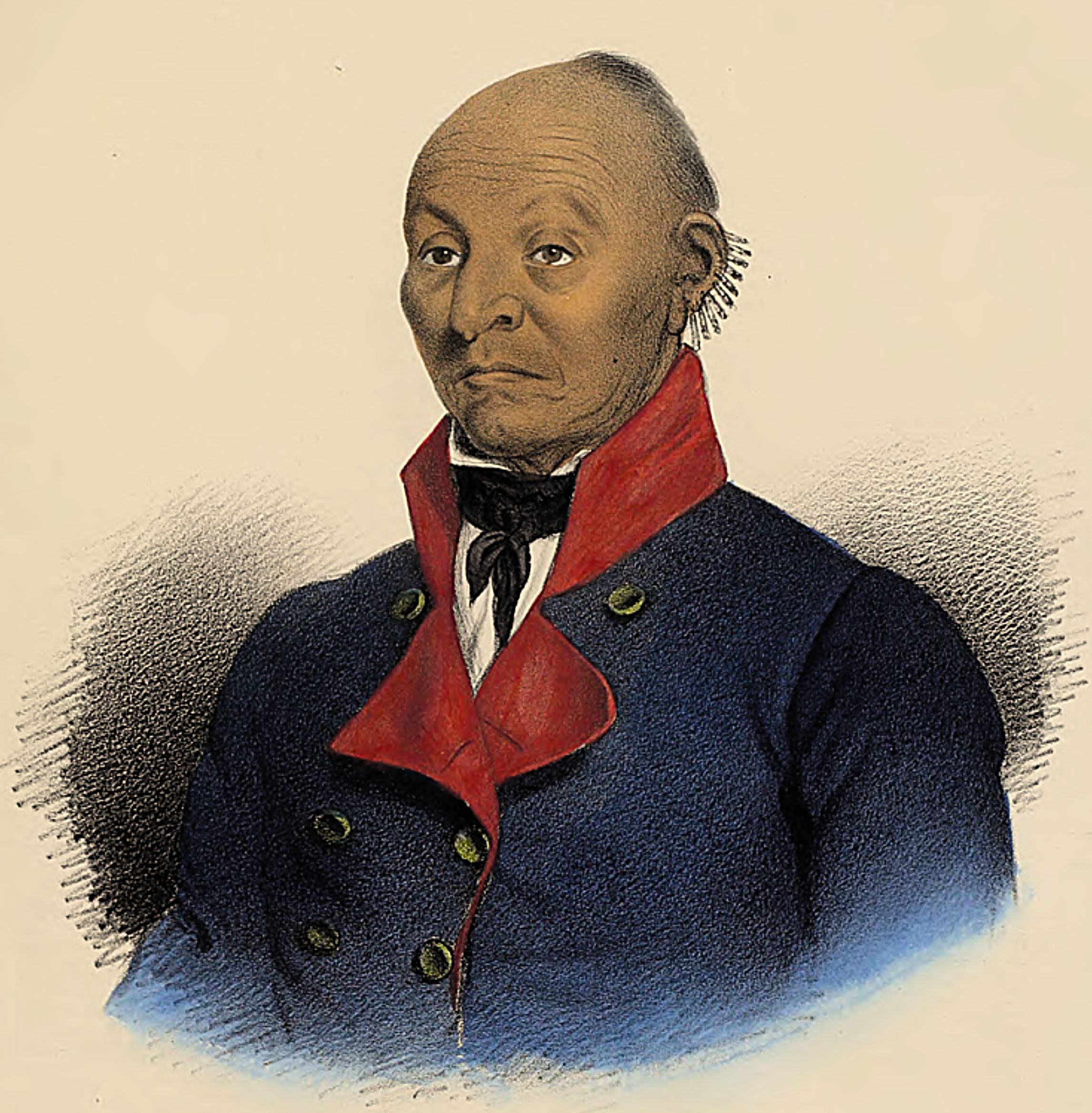
Qua-Ta-Wa-Pea, A Shawnoe chief.
From McKenney and Hall’s ‘History of the Indian Tribes of North America.’ Credit: National Portrait Gallery, Smithsonian Institution
_%20Credit_%20Historical%20Society%20of%20Pennsylvania.png)
06
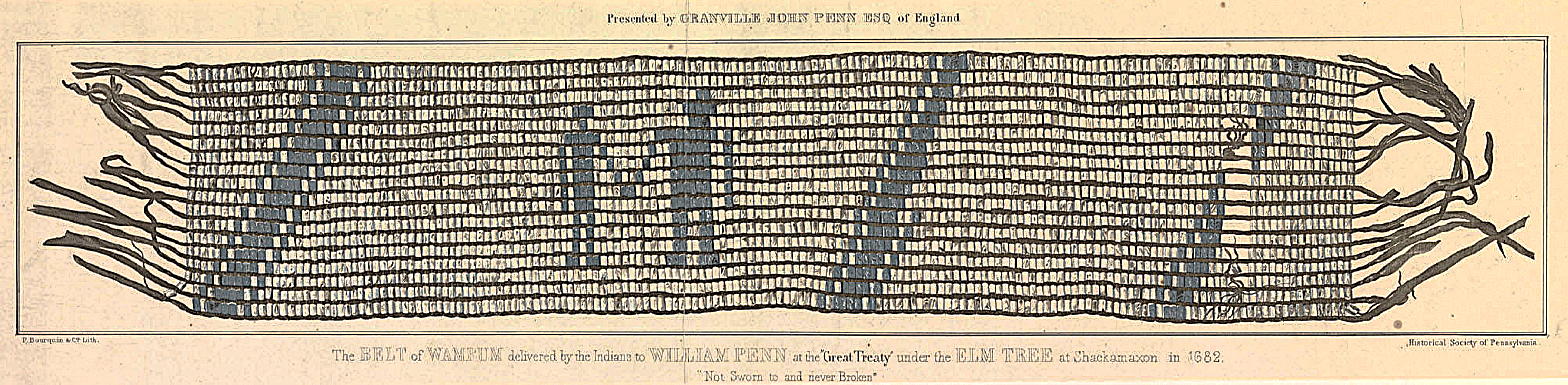
This "belt of wampum" was delivered by Native Americans to William Penn at the "Great Treaty" (1682). Credit: Historical Society of Pennsylvania
_%20Ioway%20guerrier%2C%20Am%C3%A9rique%20du%20Nord_%20Cr%C3%A9dit_%20Mus%C3%A9e%20du%20Louvre.png)
07
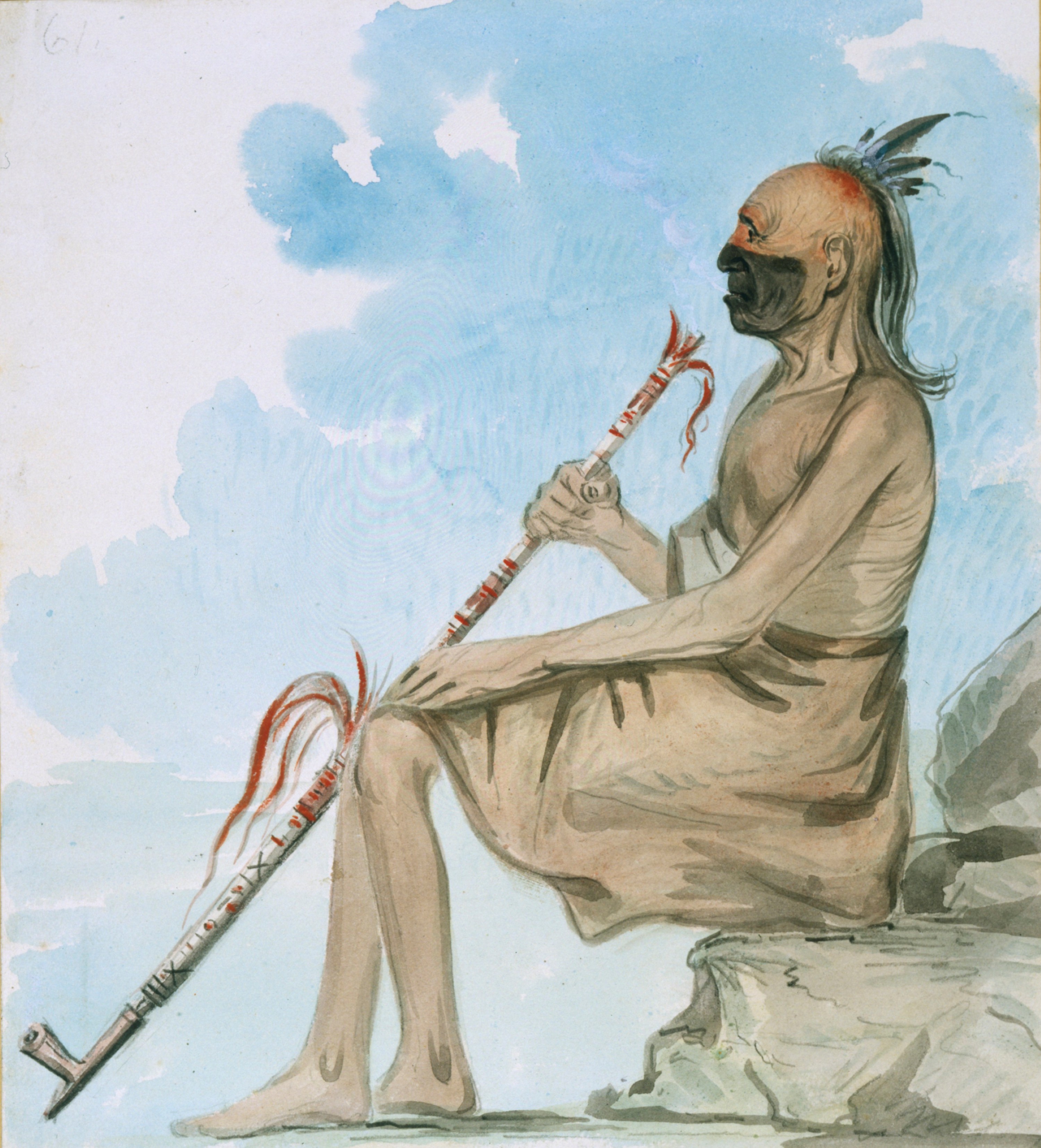
Portrait de Shon-ta-yi-ga (le Little Wolf). Ioway guerrier, Amérique du Nord. Crédit: Musée du Louvre
%2Cwho%20devised%20written%20Cherokee%20language_.jpg)
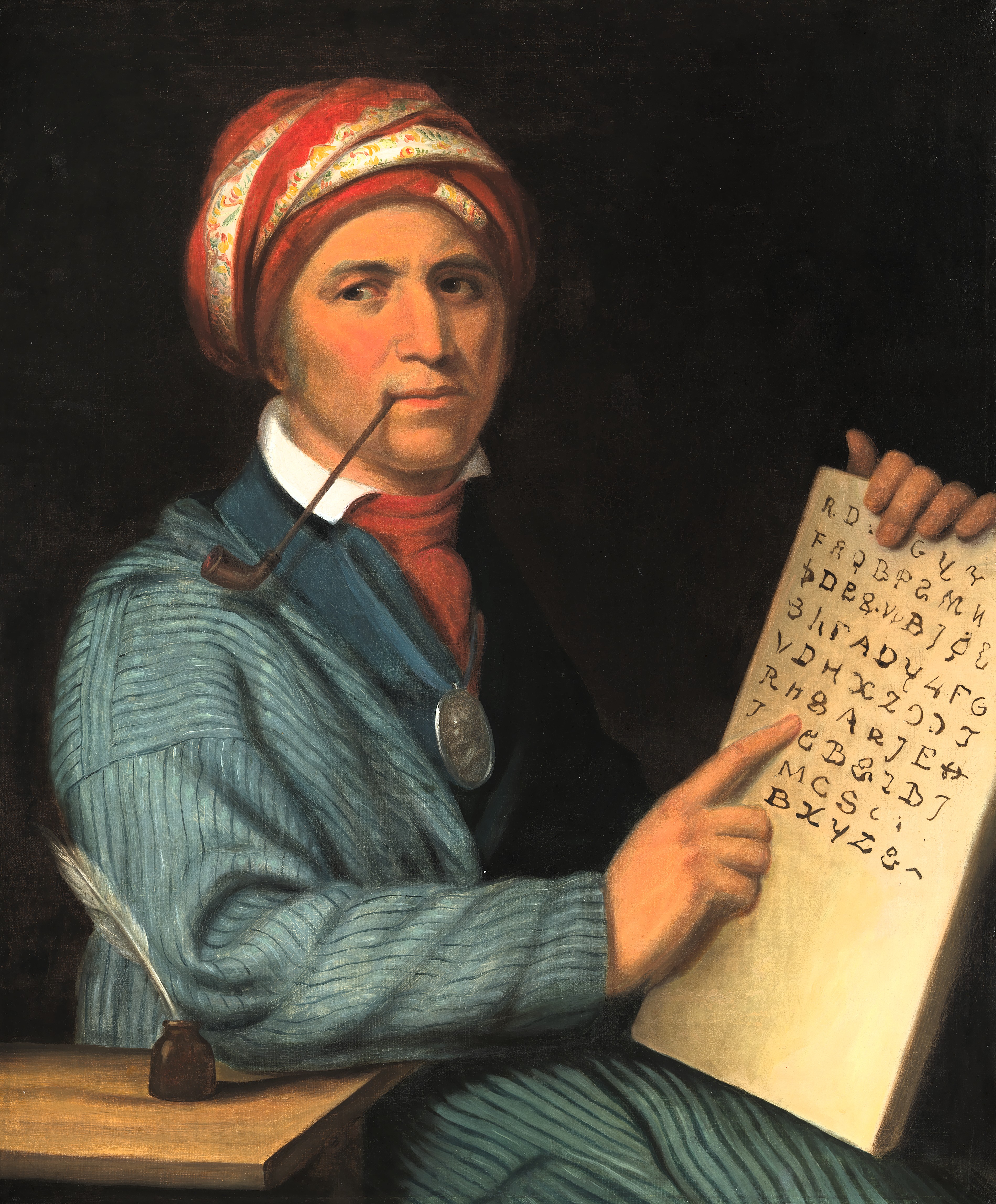
08
Sequoyah (1770-1843),who devised written Cherokee language.
By artist Henry Inman, after Charles Bird King. Credit National Portrait Gallery, Smithsonian Institute.
_.png)
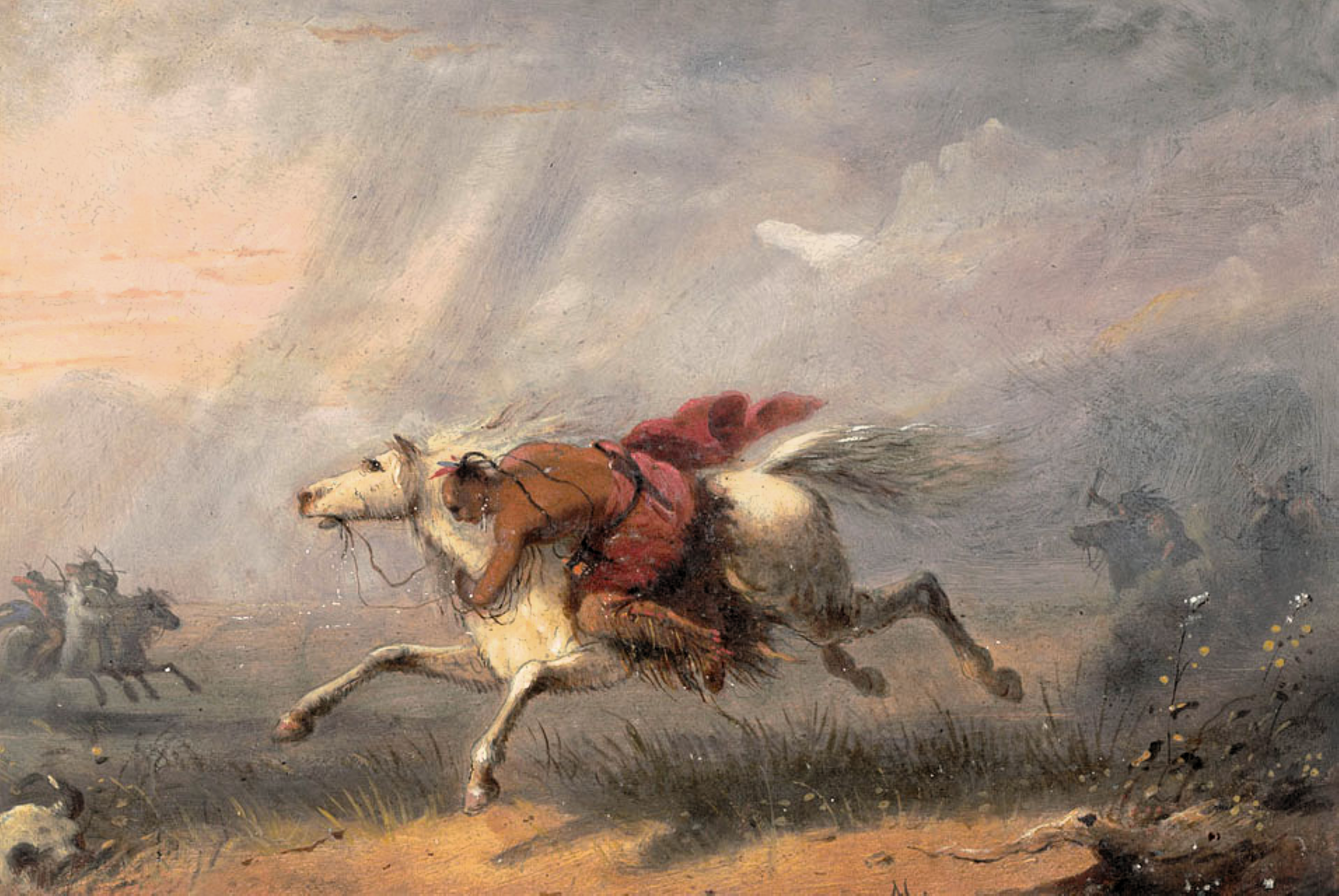
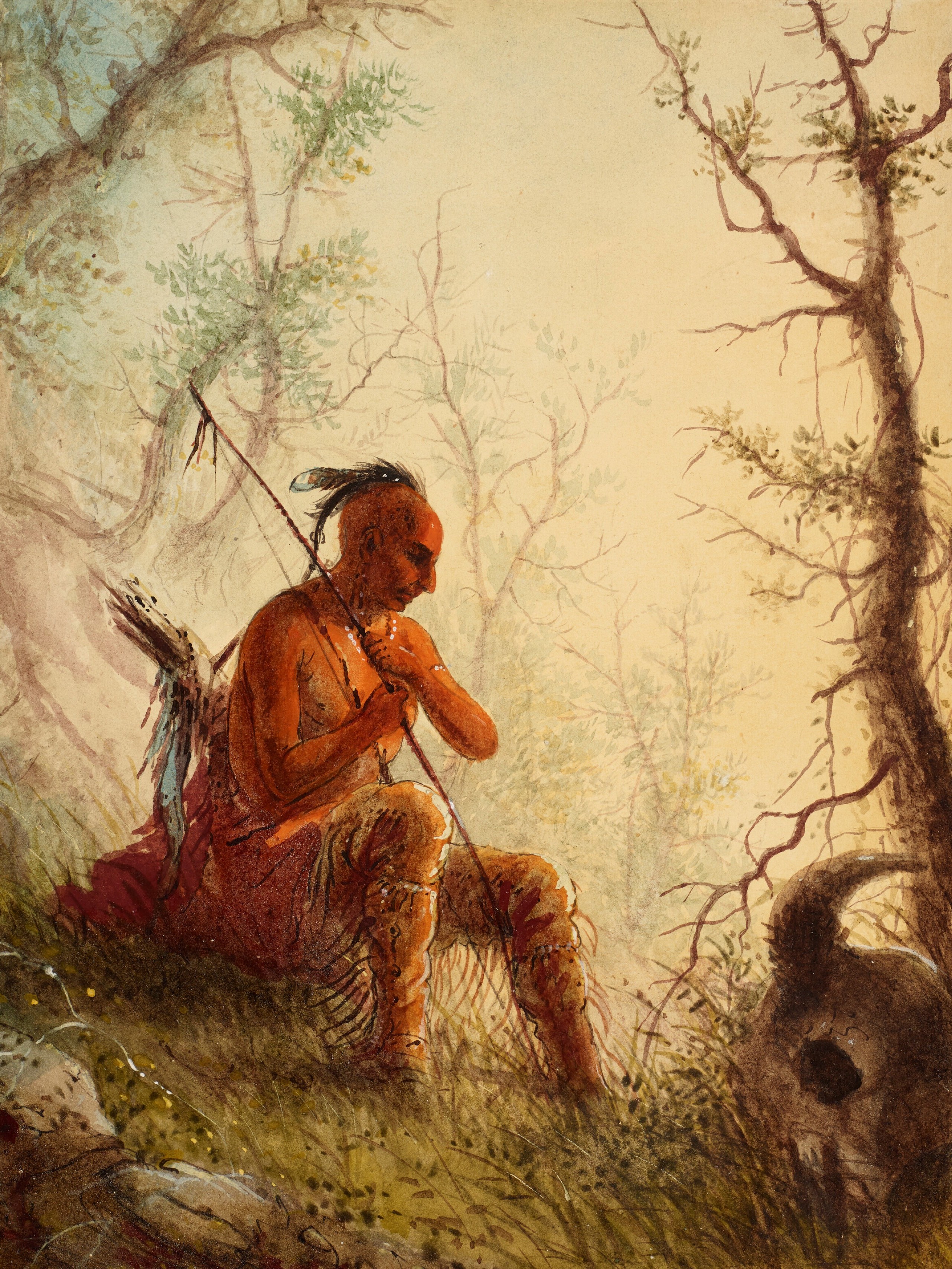
09
War Path. Mid-19th century watercolor, after an 1837 sketch "from life" by artist Alfred Jacob Miller (1810–1874).
Credit: Wikimedia Commons, courtesy of Artdaily.org
_.jpg)
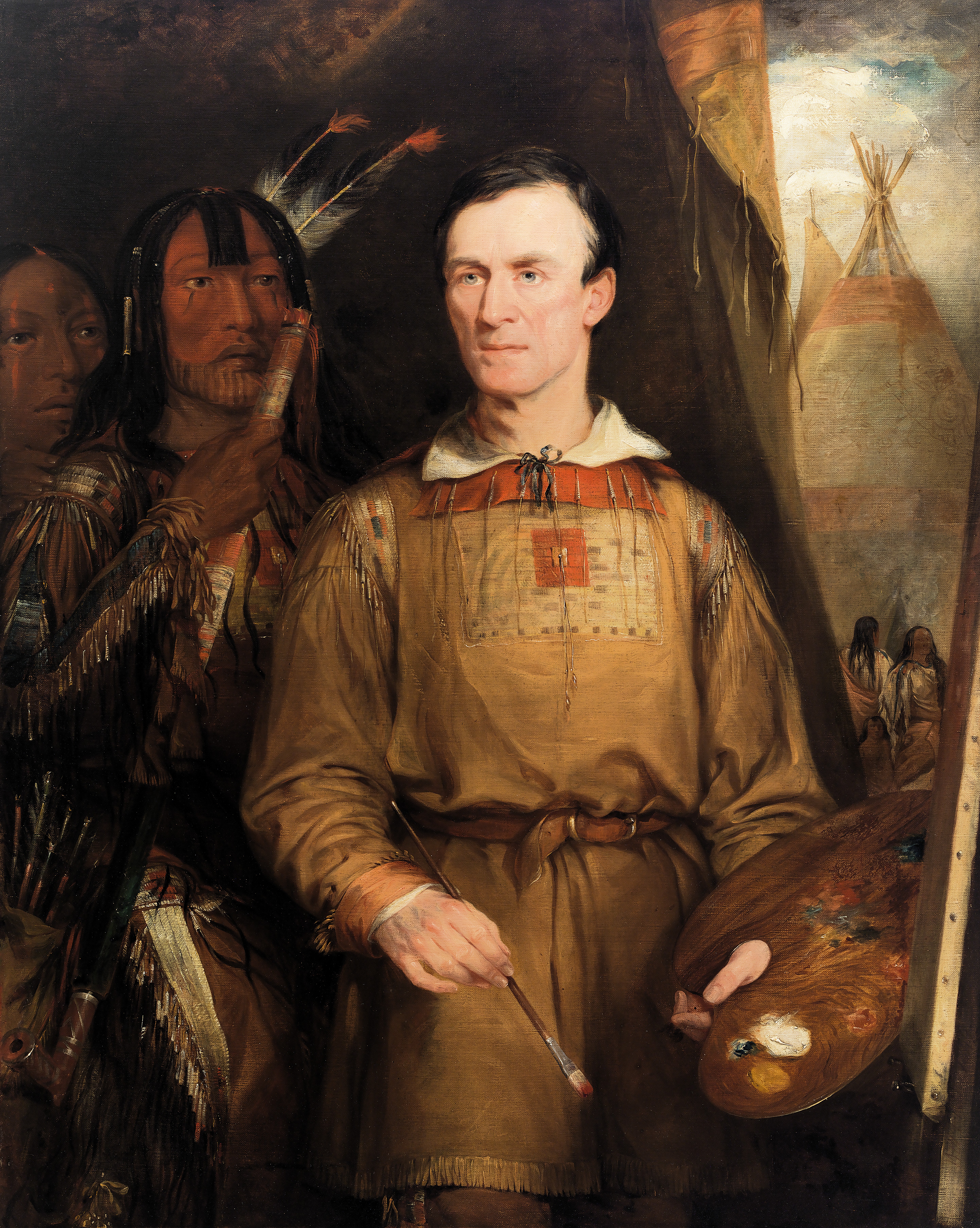
10
George Catlin, painted in 1845 by William Fisk (1796-1872).
Credit: National Portrait Gallery, Smithsonian Institution.
%20by%20George%20Catlin%20(1796-1872)_.jpg)
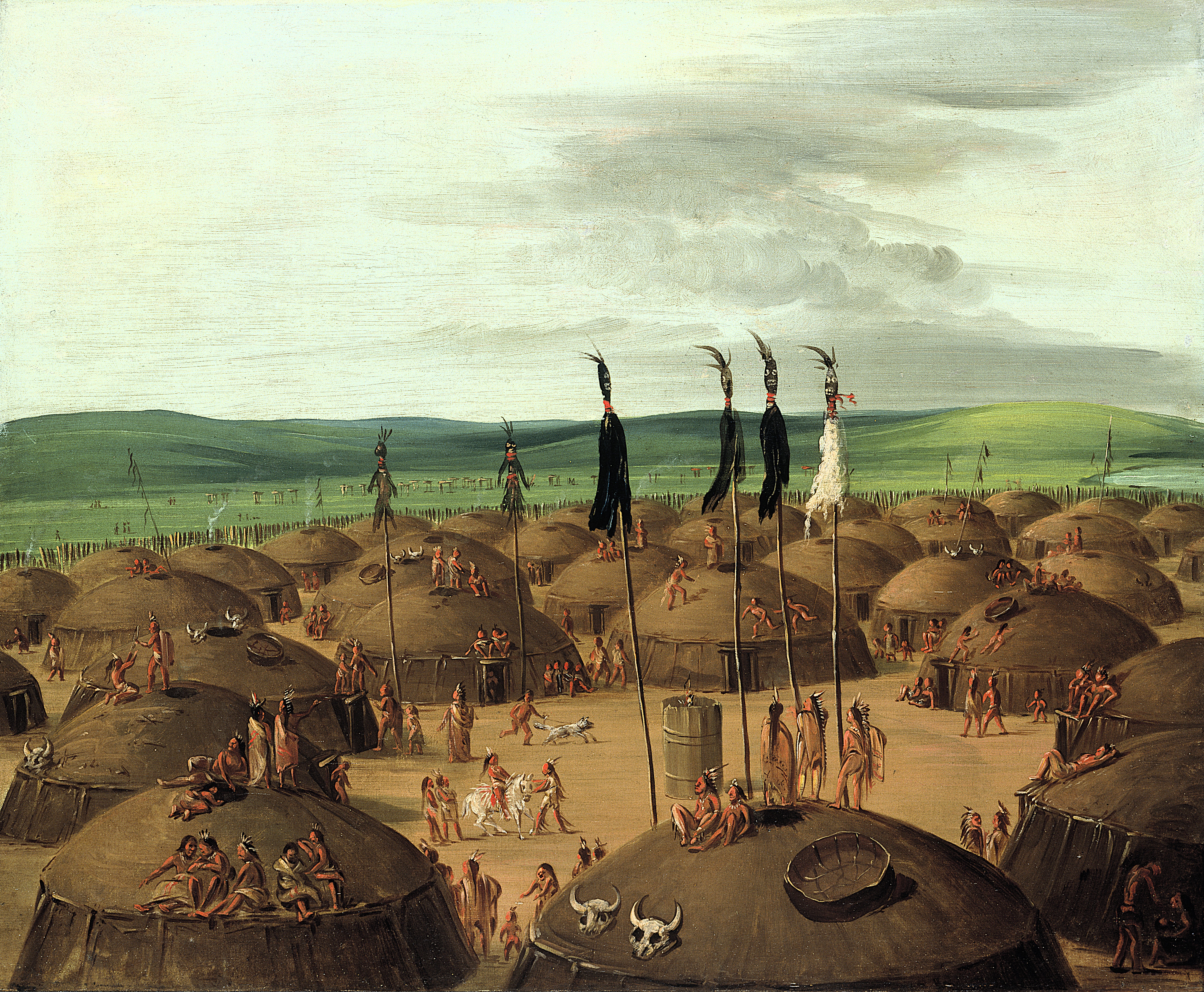
11
Bird's-eye View of the Mandan Village. Painted (ca. 1837) by George Catlin (1796-1872).
Credit: Smithsonian American Art Museum.
_.jpg)
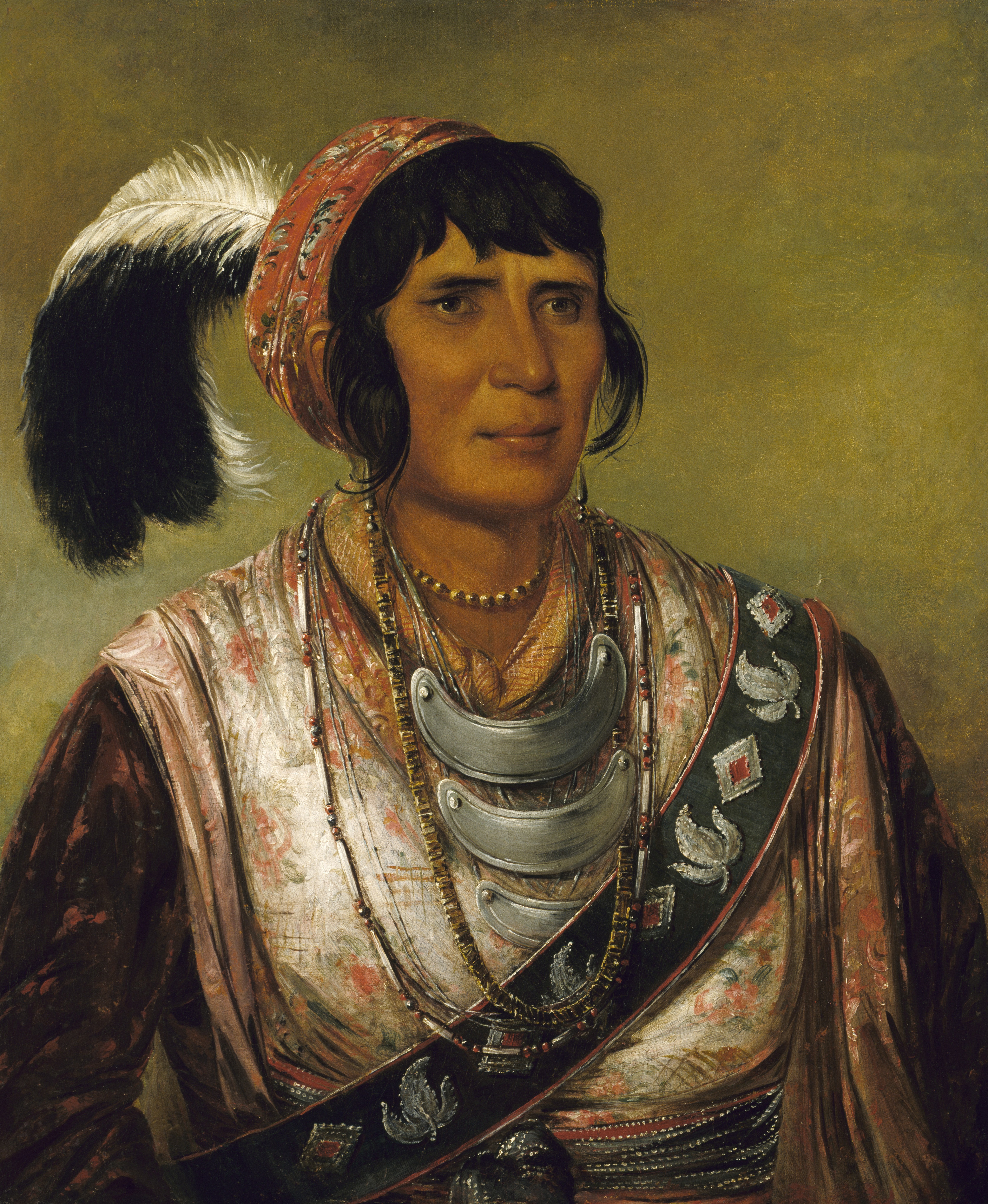
12
Osceola, a Seminole chief and tribal leader, during the Second Seminole War (1835).
Painted from life in 1838 at Fort Moultrie, SC, by George Catlin. Credit: Smithsonian American Art Museum.

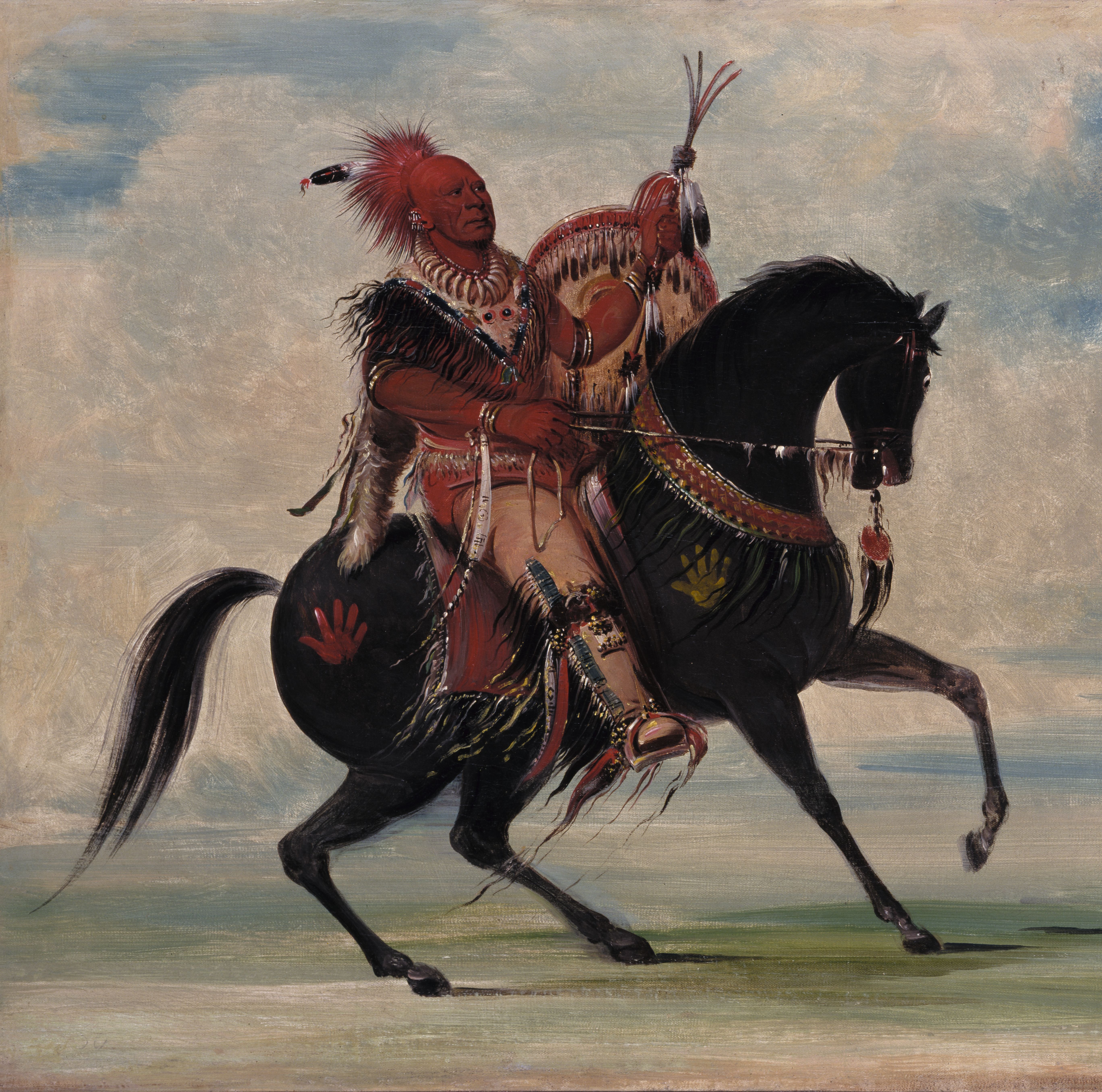
13
Kee-o-kúk, The Watchful Fox, Chief of the Tribe, on Horseback. Sac and Fox Village, 1835, by George Catlin.
Credit: Smithsonian American Art Museum.
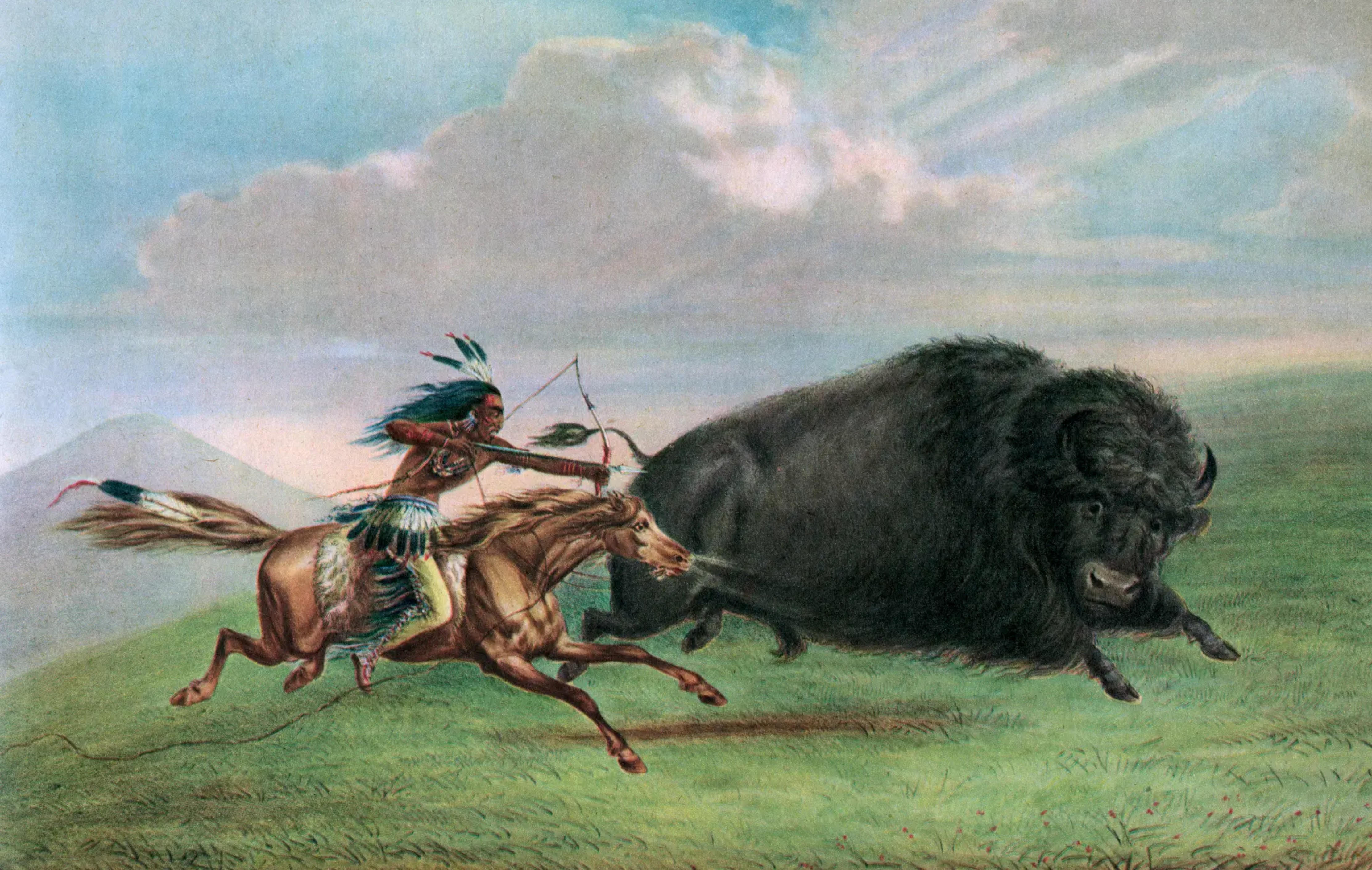
%2C%20after%20an%201832%20painting%20by%20George%20Catlin%20(1796-1872)%2C%20depicting%20a%20Plains%20warrior%20on%20horseback%20hunting%20a%20bison_.jpg)
14
Print of a buffalo hunt (ca. 1865), after an 1832 painting by George Catlin (1796-1872), depicting a Plains warrior on horseback hunting a bison.
Credit: Currier & Ives, NY.
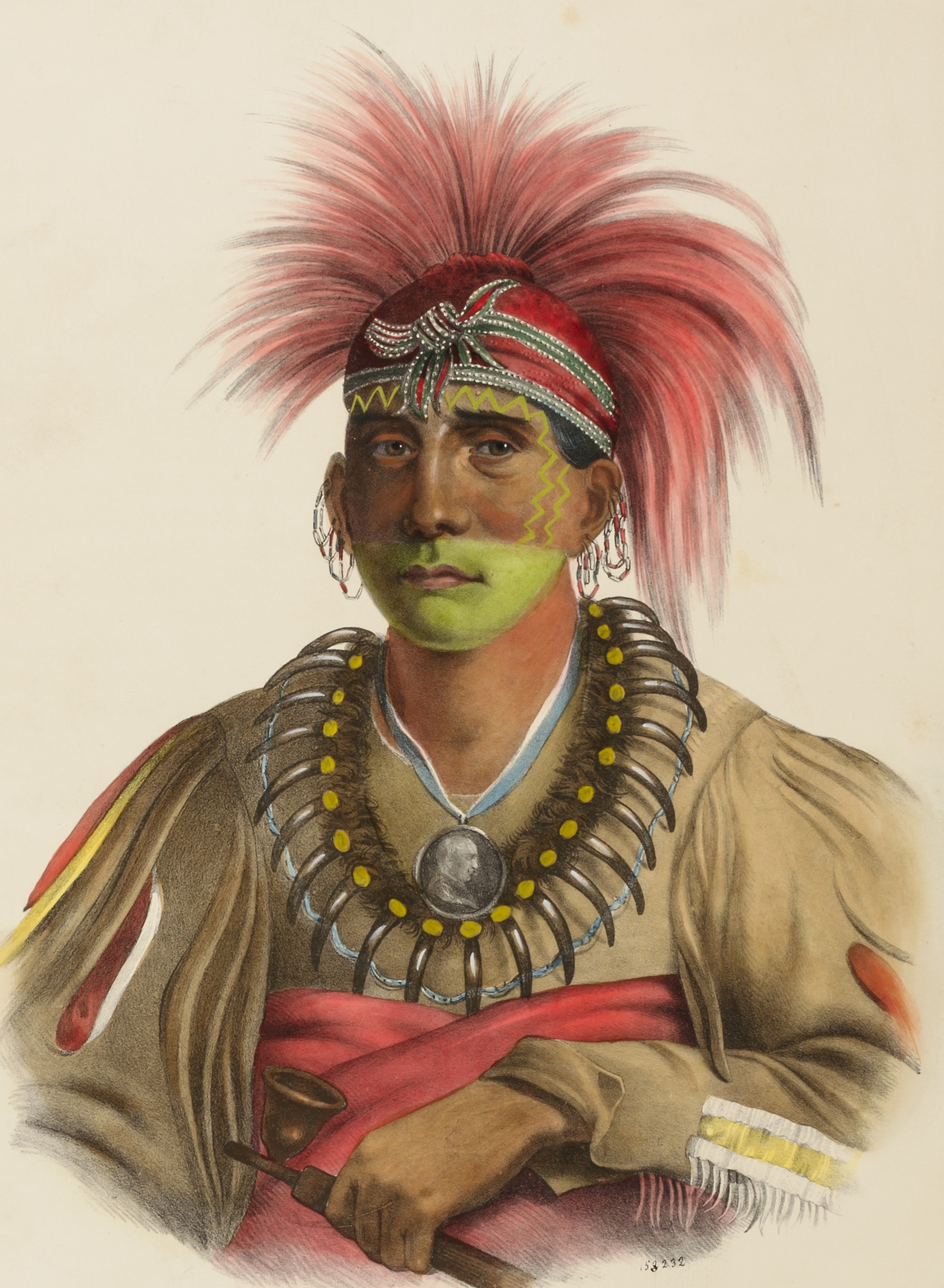
%20after%20artist%20Charles%20Bird%20King_.jpg)
15
NO-WAY-KE-SUG-GA, Otoe. A lithograph (ca. 1842) after artist Charles Bird King.
From McKenney and Hall's book, History of the Indian Tribes of North America. Credit: Smithsonian American Art Museum.
%2C%20a%20Sac%20leader%20responsible%20for%20the%201832%20Black%20Hawk%20War_.jpg)
16
Mac-Cut-Mish-E-Cqa-Cu-Cac (Black Hawk), a Sac leader responsible for the 1832 Black Hawk War.
Litho. from James Otto Lewis' 1835-36 'Aboriginal Port-Folio,' after a painting from life by Lewis.
%201832-1833_.jpg)
17
Tooan-tuh (Cherokee) 1832-1833.
Painted by Henry Inman (American, 1801-1846). Credit: High Museum of Art, Atlanta, Georgia

18
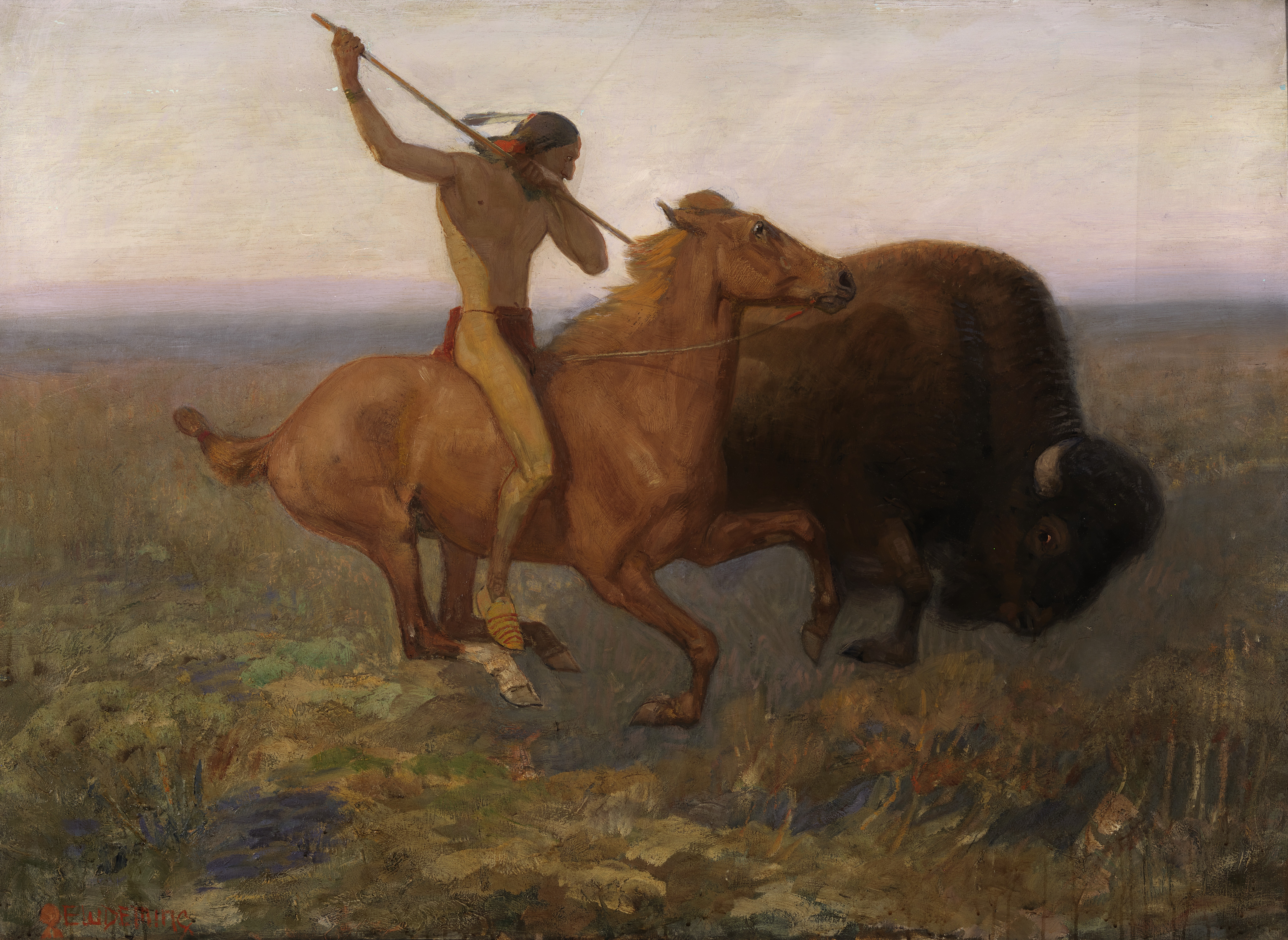
Title page art for "A Native American Story." Indian Hunting Buffalo.
By artist Edwin Willard Deming (American, 1860-1942). Credit: Smithsonian American Art Museum, CCO
_.jpg)
19
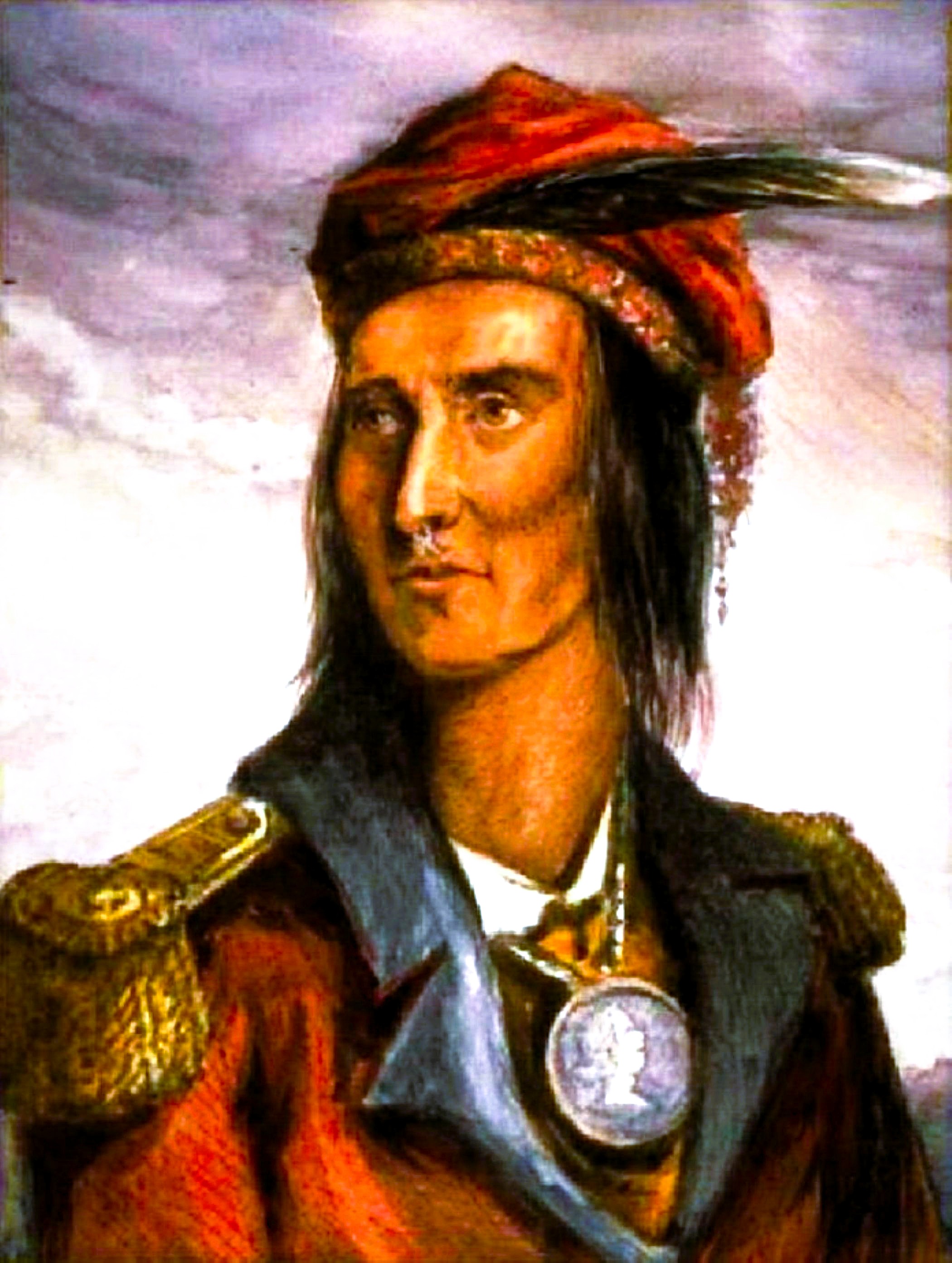
Shawnee Chief Tecumseh (1768-1813).
Painting after an engraving by Benson John Lossing. Credit: Toronto Public Library

20
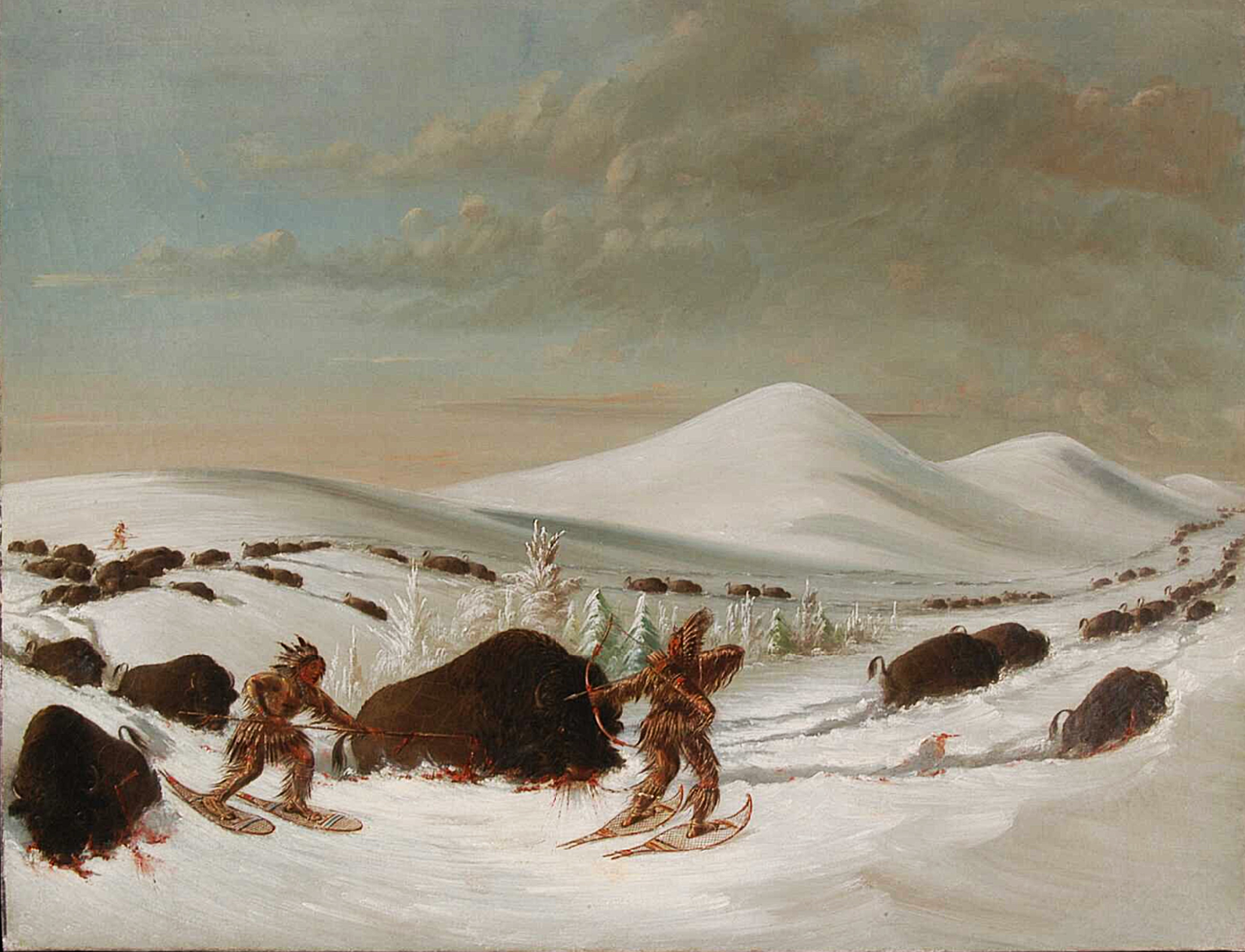
Chasse au bison dans la neige, Par George Catlin dans 1846. Sioux Amérique du Nord.
Pour Roi Louis Philippe. Crédit: Musée du Louvre

21
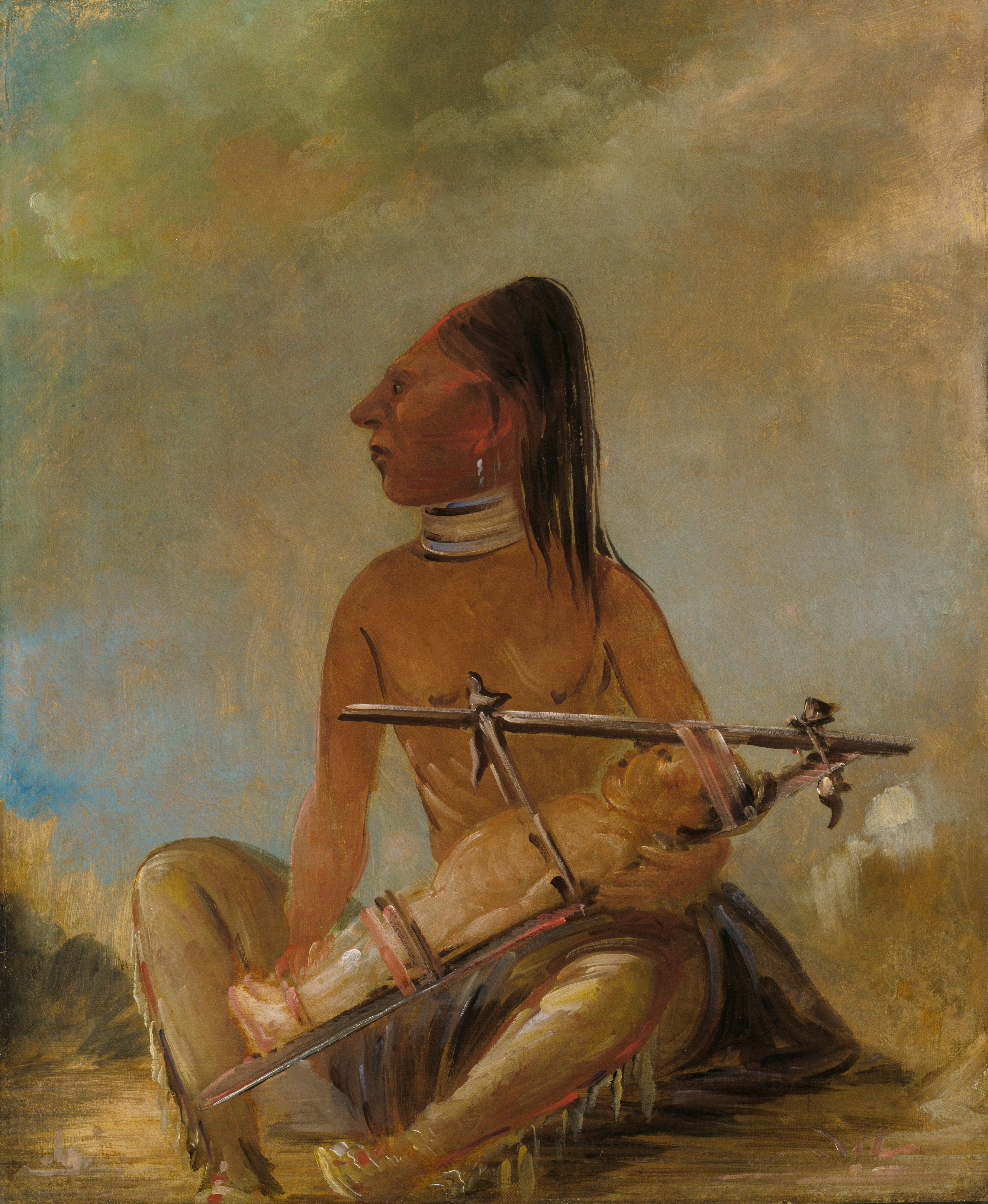
1837-1839 A Chinook woman and child, illustrating how the heads of children are flattened.
Painted by George Catlin (1796-1872). Credit: Smithsonian American Art Museum, CCO
%20of%20the%20Mohawk%20tribe_.jpg)
22
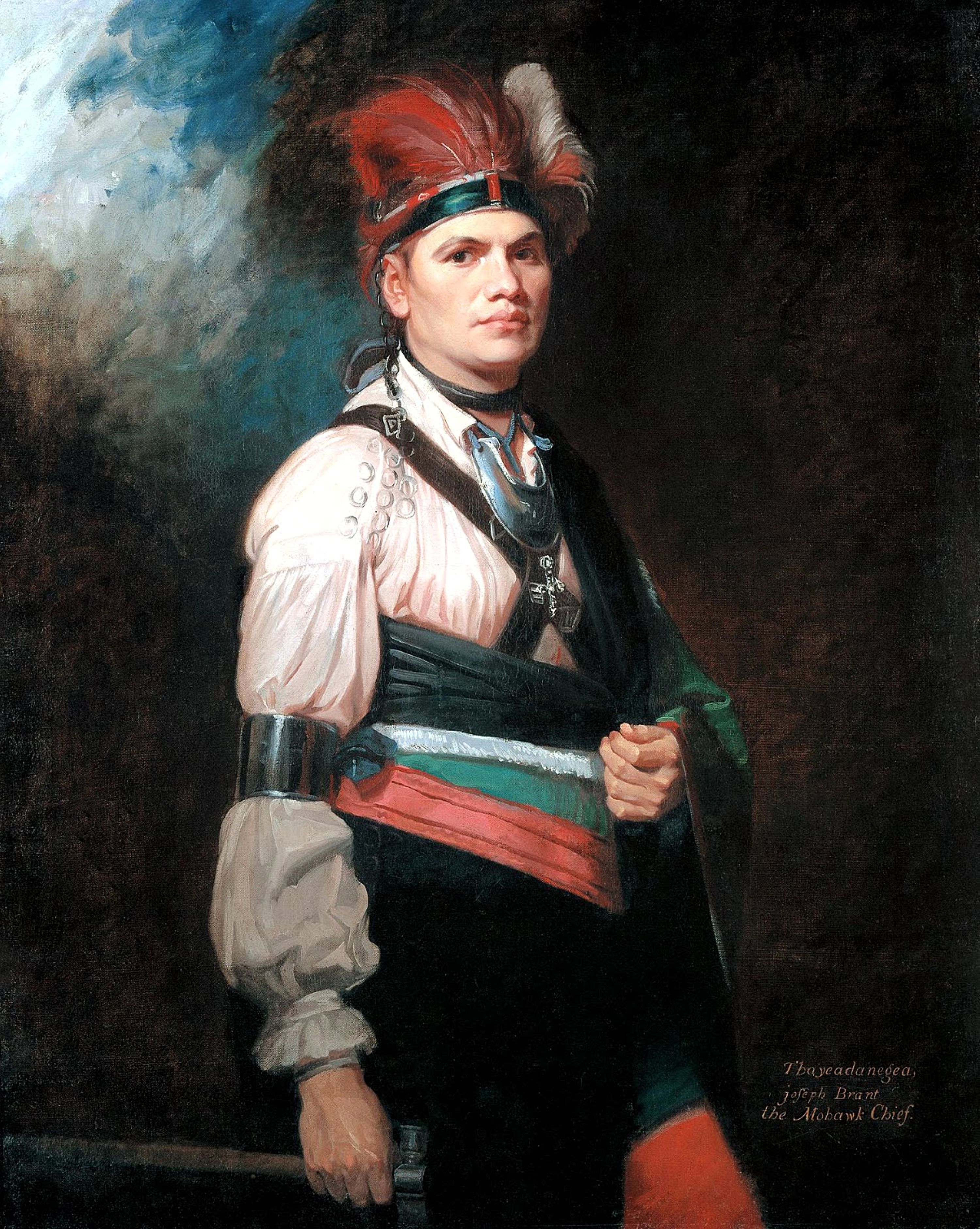
Chief Joseph Brant (Theyandenagea) of the Mohawk tribe.
Painted in London in 1776 by George Romney (English, 1734-1802). Public domain.

23
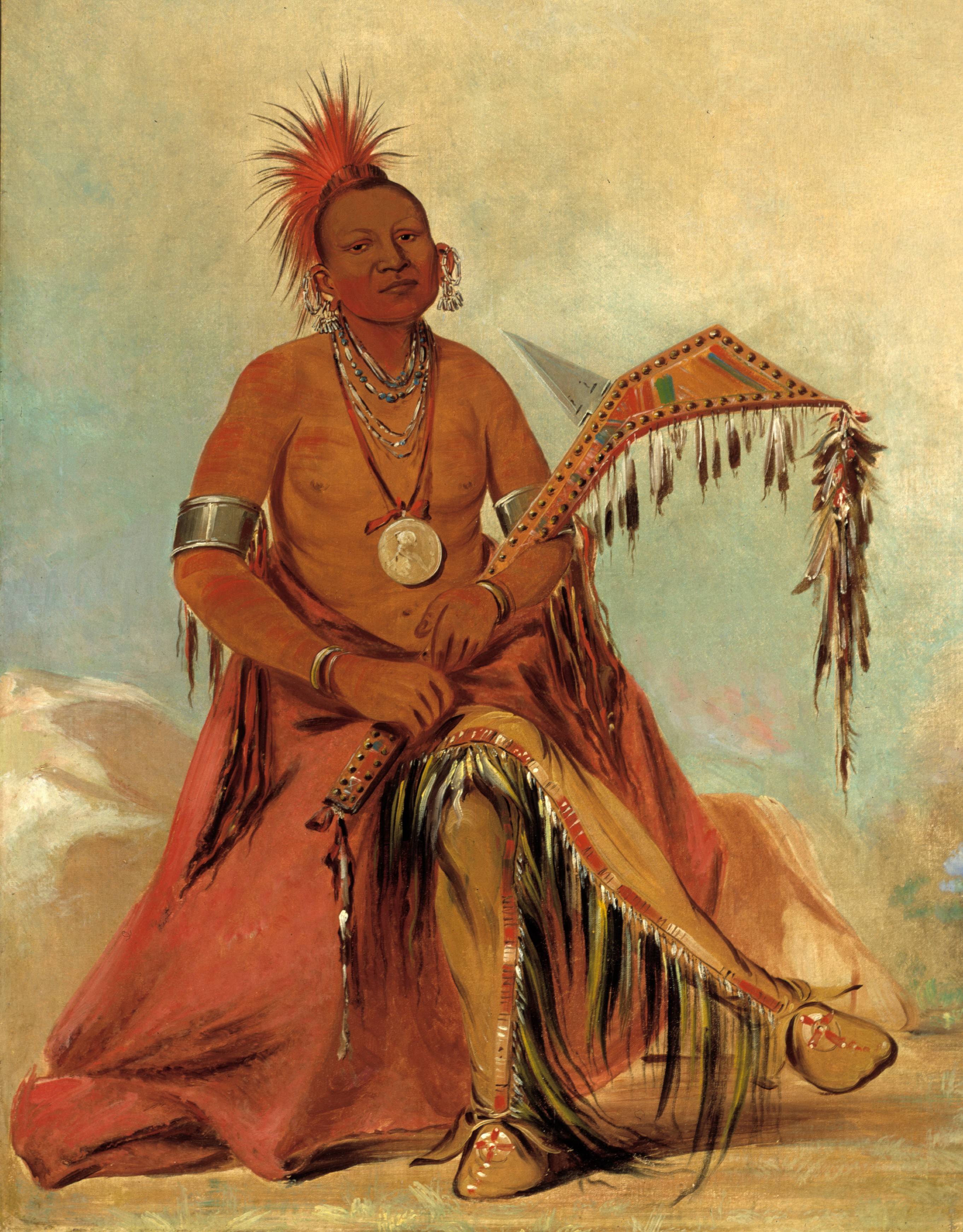
Cler-mónt, Warrior and First Chief of the Osage Tribe.
Leggings and war club were trimmed with scalps. Painted in 1834 by George Catlin. Credit: Smithsonian American Art Museum

24
Sioux Indian at a Grave.
An 1858-1860 watercolor, after an 1837 sketch from life, by artist Alfred Jacob Miller (American, 1810-1874). Credit: Walters Art Museum, Baltimore, Maryland

25
Coo-coo-coo, the Owl, an aged Menominee chief.
Rare watercolor painting by artist George Catlin in 1837. Credit: Gilcrease Museum, Tulsa, Oklahoma
%2C%20after%20a%20sketch%20from%20life%20in%201832-34_.jpg)
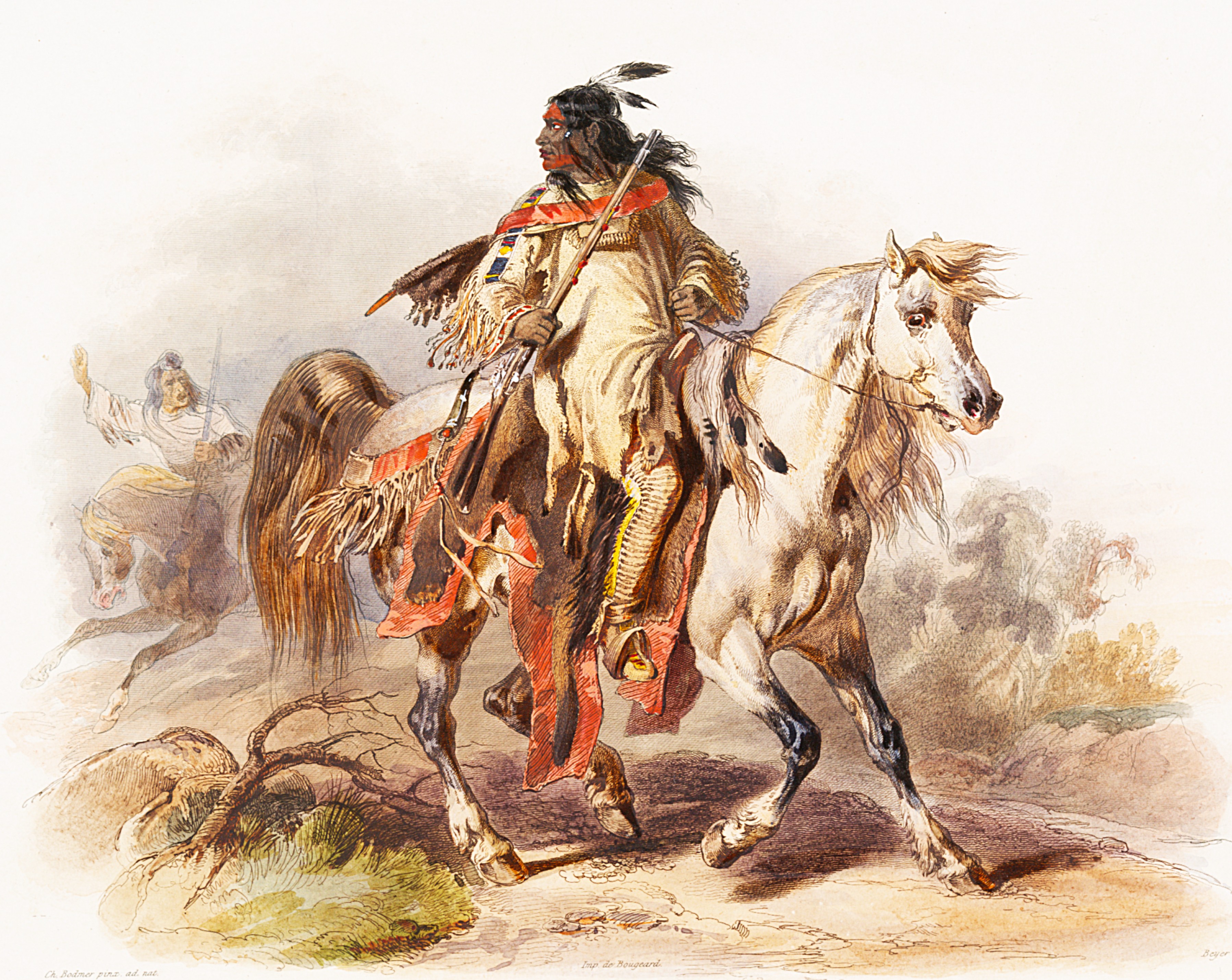
26
A Blackfoot Indian on horse-back. An 1840 aquatint print by Karl Bodmer (Swiss, 1809-1893), after a sketch from life in 1832-34.
Credit: New York Public Library.

27
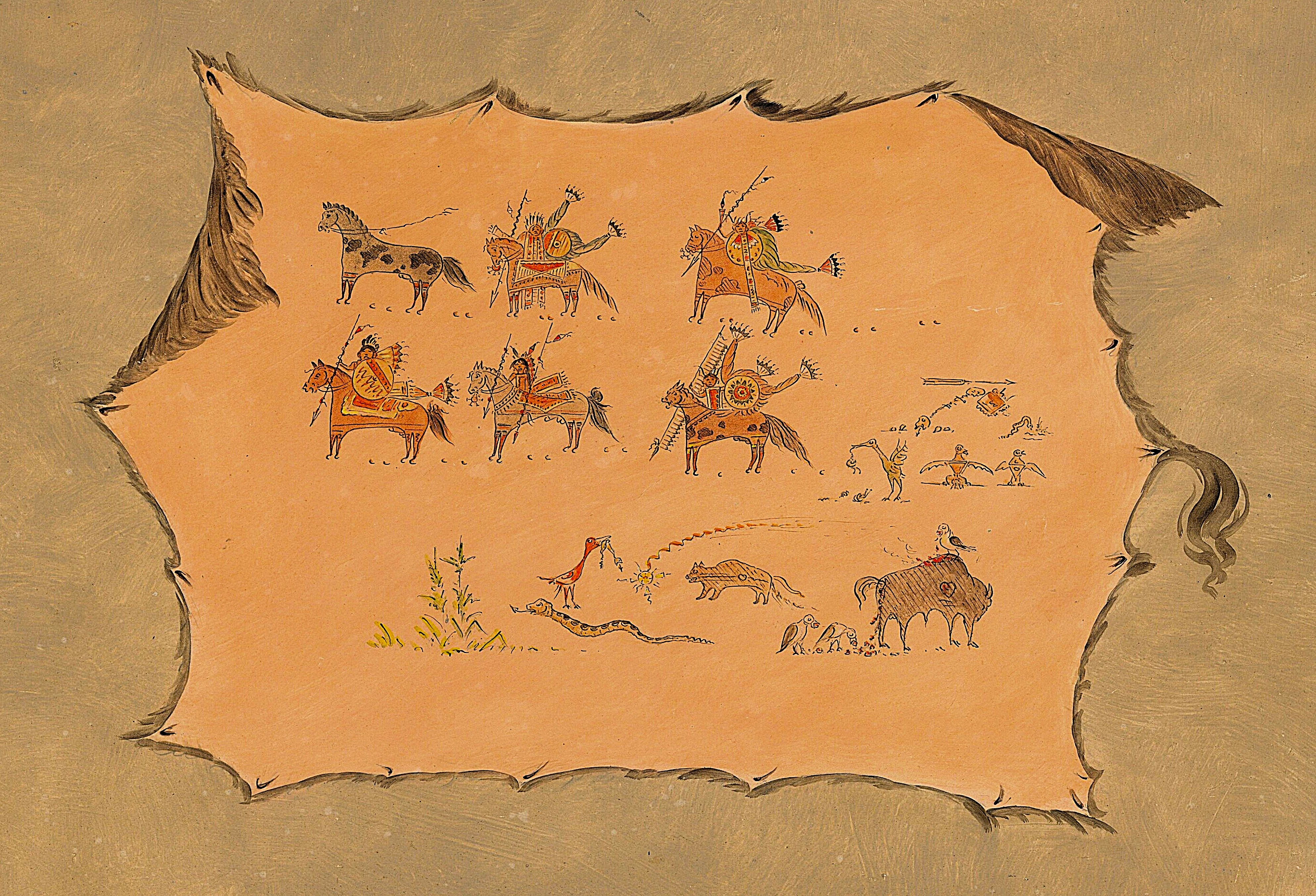
1861-1869 Pawnee Doctor's Robe.
By artist George Catlin from an earlier sketch. Tells the story of the robe's owner giving liberty to his favorite horse. Credit: National Gallery of Art (cropped).

28
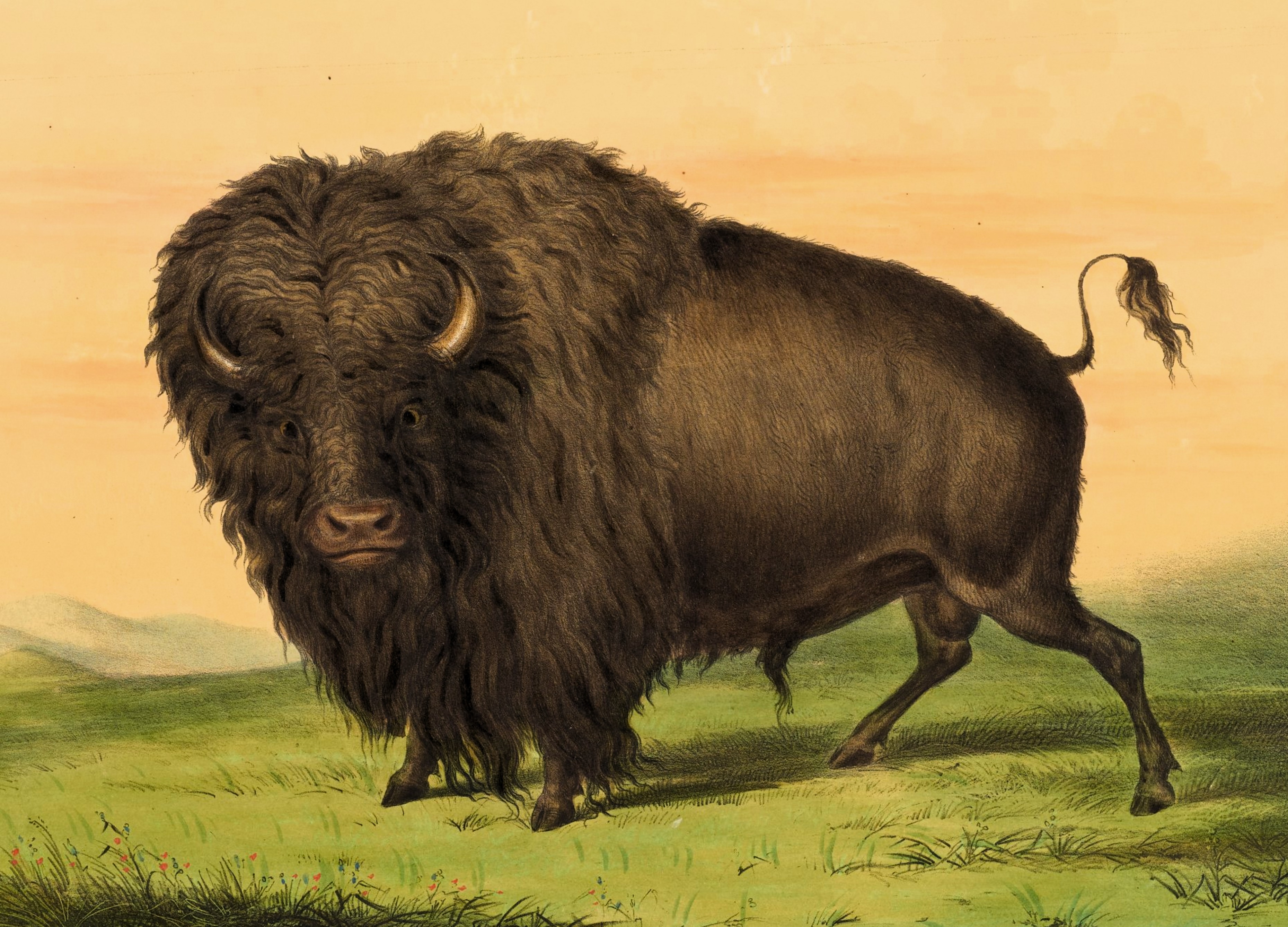
1845 Buffalo Bull, Grazing.
Litho. by Day and Haghe, after 1832-33 painting by artist George Catlin (1796-1872) for Catlin's North American Indian Collection. Credit: Birmingham Museum of Art.

29
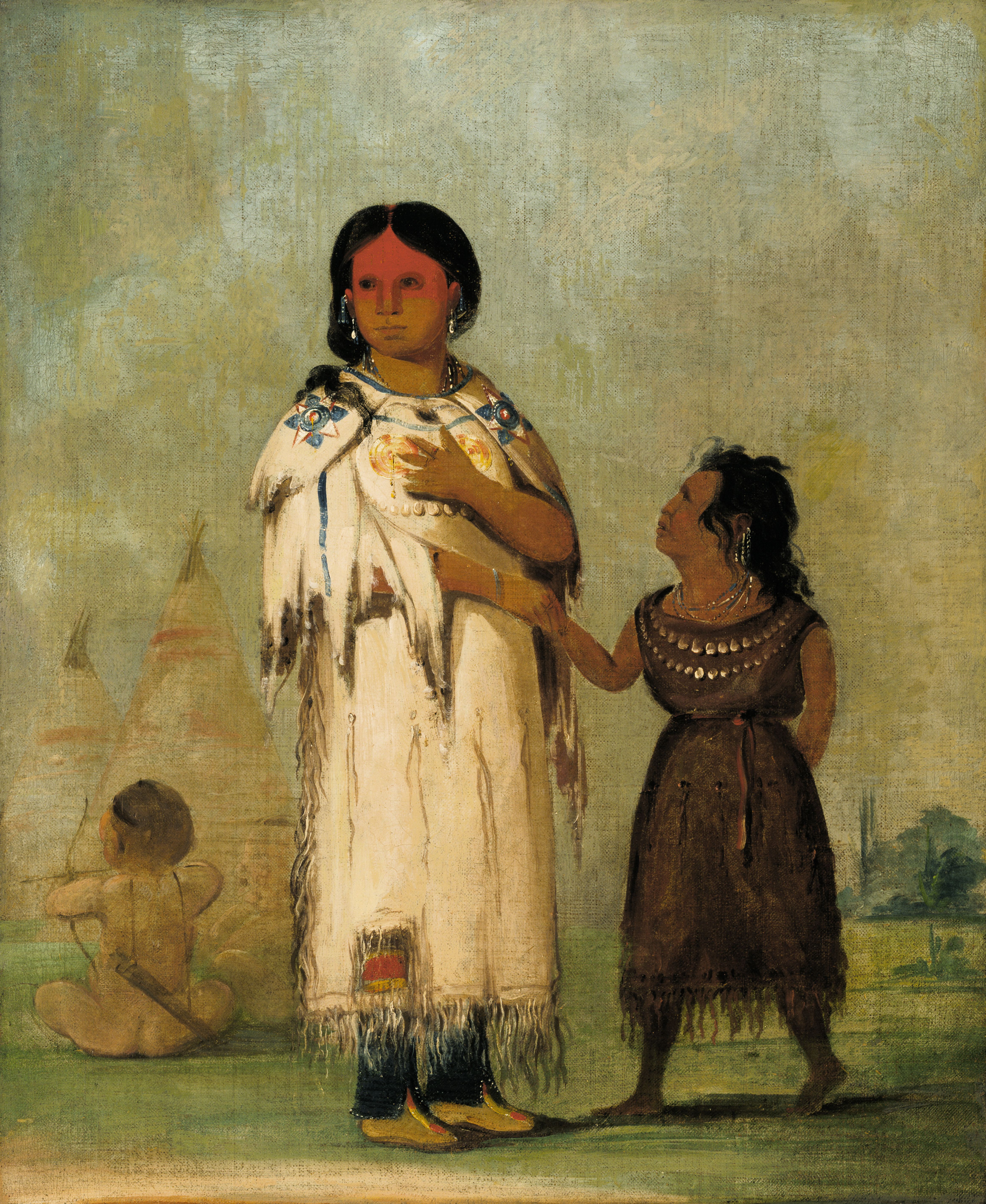
Assiniboin Woman and Child.
Painted in 1832 by artist George Catlin (1796-1872). Credit: Smithsonian American Art Museum.

30
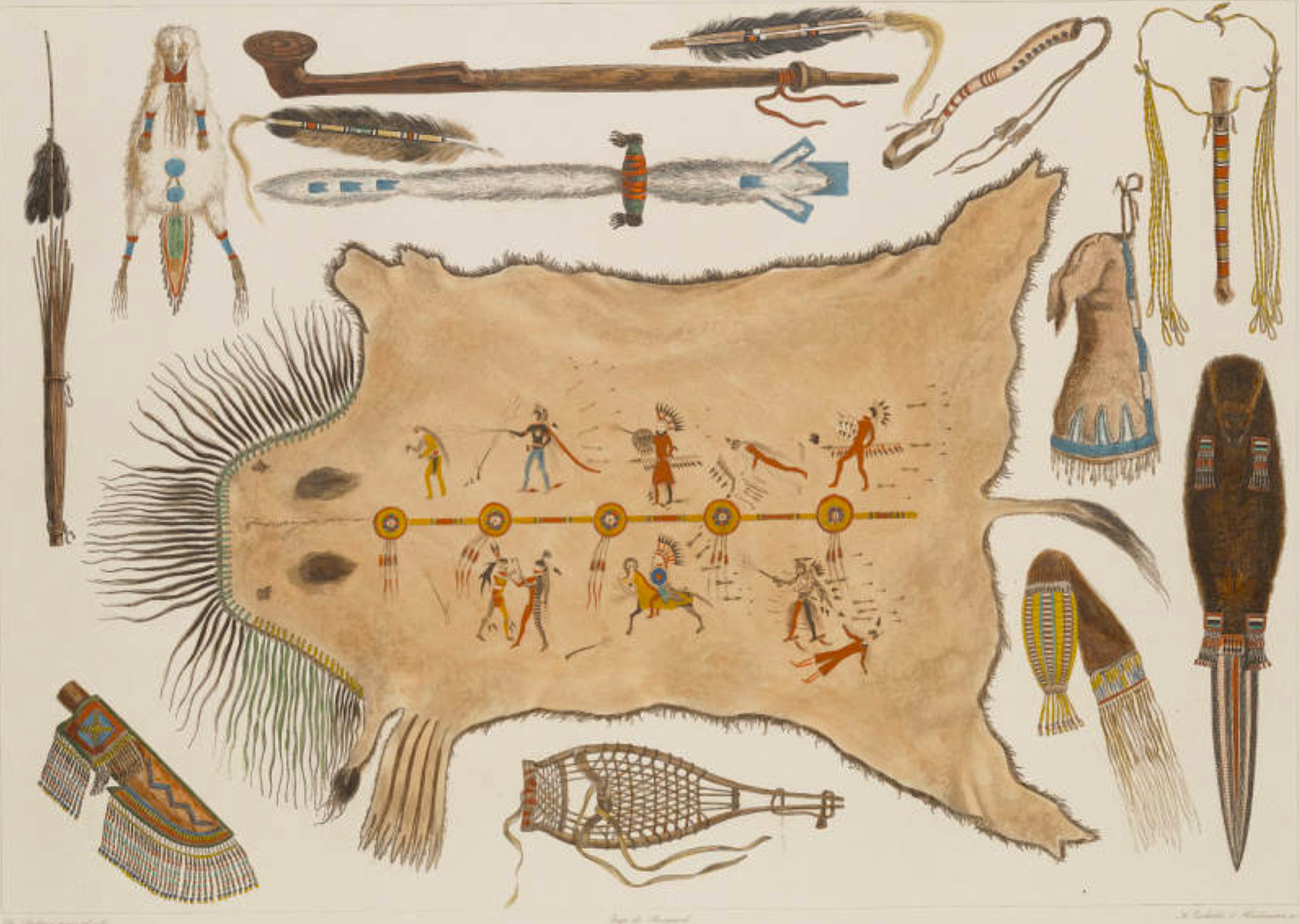
1839 Indian Utensils, Clothing and Arms.
By artist Karl Bodmer (Swiss, 1809-1893). Credit: DeGolyer Library, Southern Methodist University
01 / 30
Art from the back cover of the book.
George Catlin's Portrait of Mah-to-toh-pa, a Mandan chief. Attributed to George Catlin. Credit: National Gallery of Art, Washington, D.C.
01
Art from the back cover of the book.
George Catlin's Portrait of Mah-to-toh-pa, a Mandan chief. Attributed to George Catlin. Credit: National Gallery of Art, Washington, D.C.
02
Cut-Taa-Tas-Tia; A Fox Chief.
Painted at the 1825 Treaty of Prarie du Chien (sic) by James Otto Lewis. Credit: Smithsonian American Art Museum.
03
Shaumonekusse (Prairie Wolf), Oto Half Chief.
Adorned with wampum, peace medal, grizzly claws, jewelry & headdress. Painted (ca. 1822) by C.B. King. Credit: Crystal Bridges Museum of American Art, Bentonville, AR.
04
A Chippeway Woman and Child. Painted in the Northwest or Michigan Territory at the 1826 Treaty of Fond du Lac by James Otto Lewis (1799-1858).
Credit: Smithsonian American Art Museum
05
Qua-Ta-Wa-Pea, A Shawnoe chief.
From McKenney and Hall’s ‘History of the Indian Tribes of North America.’ Credit: National Portrait Gallery, Smithsonian Institution
06
This "belt of wampum" was delivered by Native Americans to William Penn at the "Great Treaty" (1682). Credit: Historical Society of Pennsylvania
07
Portrait de Shon-ta-yi-ga (le Little Wolf). Ioway guerrier, Amérique du Nord. Crédit: Musée du Louvre
08
Sequoyah (1770-1843),who devised written Cherokee language.
By artist Henry Inman, after Charles Bird King. Credit National Portrait Gallery, Smithsonian Institute.
09
War Path. Mid-19th century watercolor, after an 1837 sketch "from life" by artist Alfred Jacob Miller (1810–1874).
Credit: Wikimedia Commons, courtesy of Artdaily.org
10
George Catlin, painted in 1845 by William Fisk (1796-1872).
Credit: National Portrait Gallery, Smithsonian Institution.
11
Bird's-eye View of the Mandan Village. Painted (ca. 1837) by George Catlin (1796-1872).
Credit: Smithsonian American Art Museum.
12
Osceola, a Seminole chief and tribal leader, during the Second Seminole War (1835).
Painted from life in 1838 at Fort Moultrie, SC, by George Catlin. Credit: Smithsonian American Art Museum.
13
Kee-o-kúk, The Watchful Fox, Chief of the Tribe, on Horseback. Sac and Fox Village, 1835, by George Catlin.
Credit: Smithsonian American Art Museum.
14
Print of a buffalo hunt (ca. 1865), after an 1832 painting by George Catlin (1796-1872), depicting a Plains warrior on horseback hunting a bison.
Credit: Currier & Ives, NY.
15
NO-WAY-KE-SUG-GA, Otoe. A lithograph (ca. 1842) after artist Charles Bird King.
From McKenney and Hall's book, History of the Indian Tribes of North America. Credit: Smithsonian American Art Museum.
16
Mac-Cut-Mish-E-Cqa-Cu-Cac (Black Hawk), a Sac leader responsible for the 1832 Black Hawk War.
Litho. from James Otto Lewis' 1835-36 'Aboriginal Port-Folio,' after a painting from life by Lewis.
17
Tooan-tuh (Cherokee) 1832-1833.
Painted by Henry Inman (American, 1801-1846). Credit: High Museum of Art, Atlanta, Georgia
18
Title page art for "A Native American Story." Indian Hunting Buffalo.
By artist Edwin Willard Deming (American, 1860-1942). Credit: Smithsonian American Art Museum, CCO
19
Shawnee Chief Tecumseh (1768-1813).
Painting after an engraving by Benson John Lossing. Credit: Toronto Public Library
20
Chasse au bison dans la neige, Par George Catlin dans 1846. Sioux Amérique du Nord.
Pour Roi Louis Philippe. Crédit: Musée du Louvre
21
1837-1839 A Chinook woman and child, illustrating how the heads of children are flattened.
Painted by George Catlin (1796-1872). Credit: Smithsonian American Art Museum, CCO
22
Chief Joseph Brant (Theyandenagea) of the Mohawk tribe.
Painted in London in 1776 by George Romney (English, 1734-1802). Public domain.
23
Cler-mónt, Warrior and First Chief of the Osage Tribe.
Leggings and war club were trimmed with scalps. Painted in 1834 by George Catlin. Credit: Smithsonian American Art Museum
24
Sioux Indian at a Grave.
An 1858-1860 watercolor, after an 1837 sketch from life, by artist Alfred Jacob Miller (American, 1810-1874). Credit: Walters Art Museum, Baltimore, Maryland
25
Coo-coo-coo, the Owl, an aged Menominee chief.
Rare watercolor painting by artist George Catlin in 1837. Credit: Gilcrease Museum, Tulsa, Oklahoma
26
A Blackfoot Indian on horse-back. An 1840 aquatint print by Karl Bodmer (Swiss, 1809-1893), after a sketch from life in 1832-34.
Credit: New York Public Library.
27
1861-1869 Pawnee Doctor's Robe.
By artist George Catlin from an earlier sketch. Tells the story of the robe's owner giving liberty to his favorite horse. Credit: National Gallery of Art (cropped).
28
1845 Buffalo Bull, Grazing.
Litho. by Day and Haghe, after 1832-33 painting by artist George Catlin (1796-1872) for Catlin's North American Indian Collection. Credit: Birmingham Museum of Art.
29
Assiniboin Woman and Child.
Painted in 1832 by artist George Catlin (1796-1872). Credit: Smithsonian American Art Museum.
30
1839 Indian Utensils, Clothing and Arms.
By artist Karl Bodmer (Swiss, 1809-1893). Credit: DeGolyer Library, Southern Methodist University
- George Catlin's Portrait of Mah-to-toh-pa, a Mandan chief. Attributed to George Catlin. Credit: National Gallery of Art, Washington, D.C.
- Cut-Taa-Tas-Tia; A Fox Chief. Painted at the 1825 Treaty of Prarie du Chien (sic) by James Otto Lewis. Credit: Smithsonian American Art Museum.
- Shaumonekusse (Prairie Wolf), Oto Half Chief. Adorned with wampum, peace medal, grizzly claws, jewelry & headdress. Painted (ca. 1822) by C.B. King. Credit: Crystal Bridges Museum of American Art, Bentonville, AR.
- A Chippeway Woman and Child. Painted in the Northwest or Michigan Territory at the 1826 Treaty of Fond du Lac by James Otto Lewis (1799-1858).
- Qua-Ta-Wa-Pea, A Shawnoe chief. From McKenney and Hall’s ‘History of the Indian Tribes of North America.’ Credit: National Portrait Gallery, Smithsonian Institution
- his "belt of wampum" was delivered by Native Americans to William Penn at the "Great Treaty" (1682). Credit: Historical Society of Pennsylvania
- Portrait de Shon-ta-yi-ga (le Little Wolf). Ioway guerrier, Amérique du Nord. Crédit: Musée du Louvre
- Sequoyah (1770-1843),who devised written Cherokee language.
- War Path. Mid-19th century watercolor, after an 1837 sketch "from life" by artist Alfred Jacob Miller (1810–1874).
- George Catlin, painted in 1845 by William Fisk (1796-1872).
- Bird's-eye View of the Mandan Village. Painted (ca. 1837) by George Catlin (1796-1872).
- Osceola, a Seminole chief and tribal leader, during the Second Seminole War (1835).
- Kee-o-kúk, The Watchful Fox, Chief of the Tribe, on Horseback. Sac and Fox Village, 1835, by George Catlin.
- Print of a buffalo hunt (ca. 1865), after an 1832 painting by George Catlin (1796-1872), depicting a Plains warrior on horseback hunting a bison.
- NO-WAY-KE-SUG-GA, Otoe. A lithograph (ca. 1842) after artist Charles Bird King.
- Mac-Cut-Mish-E-Cqa-Cu-Cac (Black Hawk), a Sac leader responsible for the 1832 Black Hawk War.
- Tooan-tuh (Cherokee) 1832-1833. Painted by Henry Inman (American, 1801-1846). Credit: High Museum of Art, Atlanta, Georgia
- Title page art for "A Native American Story." Indian Hunting Buffalo.
- Shawnee Chief Tecumseh (1768-1813).
- Chasse au bison dans la neige, Par George Catlin dans 1846. Sioux Amérique du Nord.
- 1837-1839 A Chinook woman and child, illustrating how the heads of children are flattened.
- Chief Joseph Brant (Theyandenagea) of the Mohawk tribe.
- Cler-mónt, Warrior and First Chief of the Osage Tribe.
- Sioux Indian at a Grave.
- Coo-coo-coo, the Owl, an aged Menominee chief.
- A Blackfoot Indian on horse-back. An 1840 aquatint print by Karl Bodmer (Swiss, 1809-1893), after a sketch from life in 1832-34.
- 1861-1869 Pawnee Doctor's Robe.
- 1845 Buffalo Bull, Grazing.
- Assiniboin Woman and Child.
- 1839 Indian Utensils, Clothing and Arms.
bottom of page